Lucca, Tuscany: Complete Travel Guide to Italy's Underrated City
Lucca is the city Tuscany regulars always discover too late. Perfectly preserved inside its Renaissance walls, it is a functioning Italian city rather than a museum-town, its restaurants serve locals as readily as visitors, its weekly markets deal in seasonal produce rather than branded ceramics, and its streets at 9pm on a Wednesday evening feel like a real city going about its business rather than a stage set emptied of tourists. This is the complete guide to visiting Lucca: the essential sights, the food, the best time to go, and how it works as a villa base for exploring northwest Tuscany.
Where is Lucca in Tuscany?
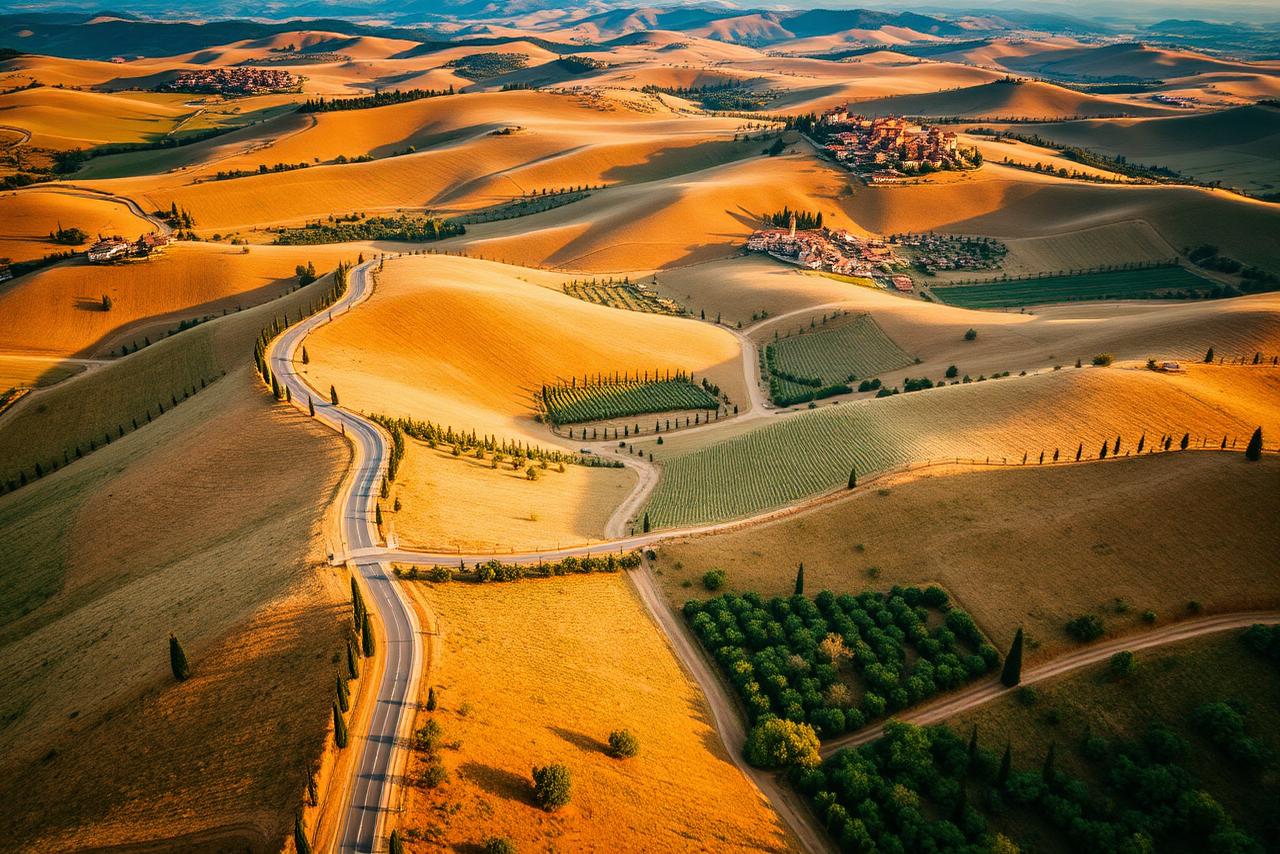
Lucca sits in the northwest of Tuscany, on a flat plain at the foot of the Apuan Alps, approximately 80km west of Florence and 30km north of Pisa. On the map of Tuscany, it occupies the northwestern corner of the region, closer to the Ligurian border than to Siena, and connected to both Florence and Pisa by fast motorway and direct rail. The city is surrounded by a flat agricultural plain of olive groves and vineyards, with the dramatic white-peaked Apuan Alps, the mountains from which Michelangelo sourced his marble, visible to the north in clear weather.
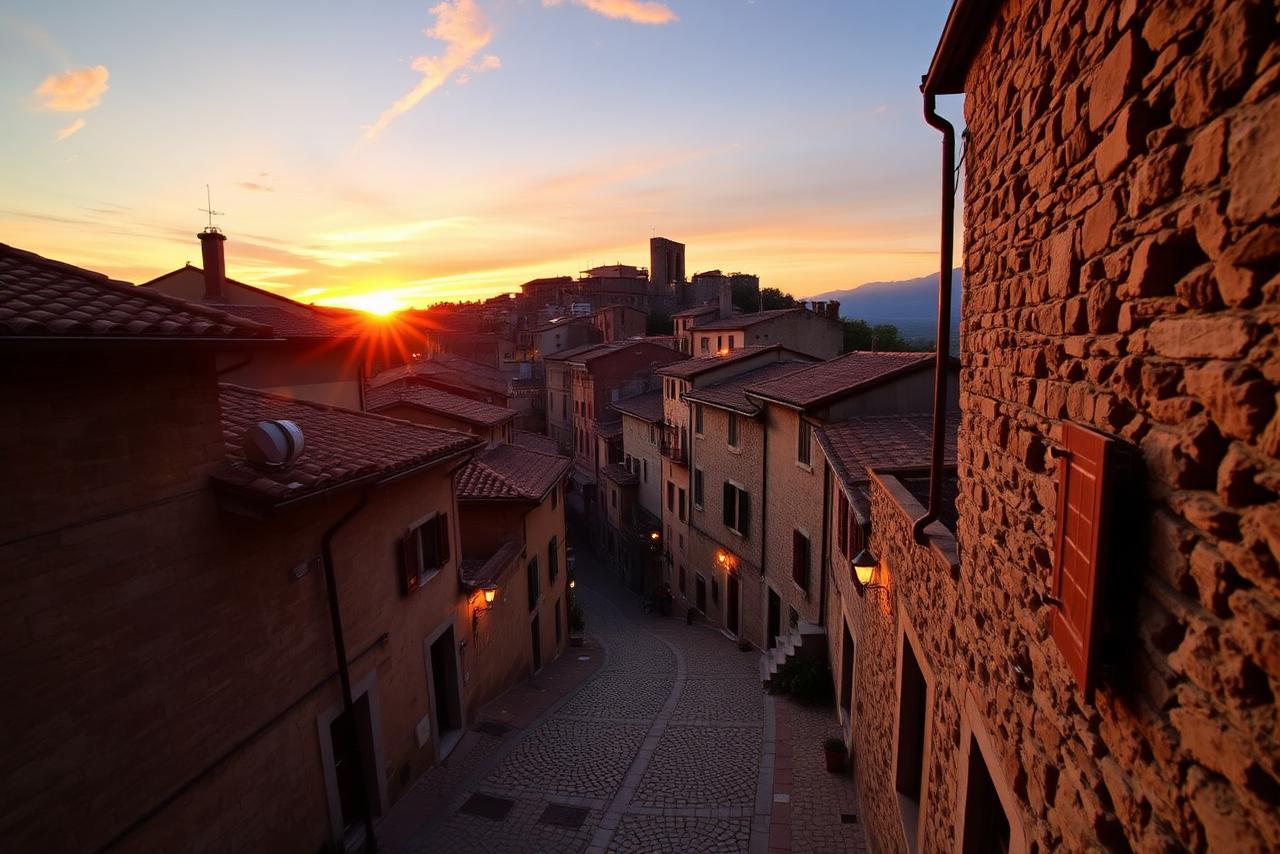
The city sits entirely within its Renaissance walls, a 4km circuit of broad, tree-lined ramparts built between 1513 and 1650 that are wide enough to drive a car along the top (though today only cyclists and pedestrians use them). These walls have never been breached in warfare, and they remain in near-perfect condition, making Lucca one of the best-preserved walled cities in Europe. Inside, the street plan follows the original Roman grid, overlaid with medieval lanes and Romanesque church fronts.
Lucca's City Walls: The Essential Starting Point
No other feature defines Lucca as comprehensively as its walls and no other Italian city has anything quite like them. Unlike the narrow parapet walks of most medieval city walls, Lucca's Renaissance ramparts are roughly 30 metres wide at the top, planted with a double row of plane and ilex trees, and used daily by residents for running, cycling, dog-walking and pram-pushing. They function as the city's main public park.
Walking or cycling the full 4km circuit takes 30-45 minutes at a comfortable pace and gives a complete overview: the city on one side, the Apuan Alps (snow-capped until May) on the other, the ring of market gardens and olive groves just beyond the wall base. The gates, Porta San Pietro, Porta Elisa, Porta Santa Maria, Porta Sant'Anna, still function as the main entry and exit points to the historic centre. Bicycle rental is widely available just inside the gates at around €3-4 per hour, and cycling the circuit is, straightforwardly, one of the most pleasant 40 minutes you can spend in any Italian city.
Things to Do in Lucca
Piazza dell'Anfiteatro
The most distinctive space in Lucca is an oval piazza built on the foundations of a Roman amphitheatre dating from the 1st century AD. The medieval buildings that rose on top of the amphitheatre walls preserved its elliptical shape exactly; the result is a perfect oval of facades with three gated entrances, now ringed with restaurants and bars. Tables fill the interior in summer evenings, one of the most enjoyable places in Tuscany to sit with a Campari and watch Italian city life go about its business.
The Cathedral of San Martino
Lucca's Duomo is an extraordinary Romanesque building with a carved marble façade dating from the 13th century, notable for the elaborate arcades, the carved hunting scenes and an unexpected asymmetry (the bell tower was built first and the façade was added around it). Inside: the famous Volto Santo (a cedar crucifix said to have been carved by Nicodemus, venerated since the 8th century), the exquisite Ilaria del Carretto tomb by Jacopo della Quercia (1406), and a Tintoretto. The Cathedral Museum next door is worth 30 minutes.
San Michele in Foro
Built on the site of the Roman forum, San Michele in Foro is one of the finest Romanesque church façades in Italy, a layered composition of blind arcades, twisted columns and carved capitals that rises to an extraordinary height. The interior is relatively plain by comparison but contains a terracotta by Andrea della Robbia and a Filippino Lippi panel painting. The piazza in front is one of the best spots to observe daily Lucca life at its most local.
The Guinigi Tower
Of Lucca's surviving medieval towers, the Guinigi Tower is the most remarkable, not for its height (44 metres) but for what grows at the top: a small grove of holm oaks planted in the 15th century, still living, visible from the streets below as a tuft of vegetation against the sky. The climb (230 steps) delivers the best panorama of the historic centre. Small entry fee; unquestionably worth it.
The Churches of San Frediano and San Giovanni
San Frediano (north of the city centre) is the oldest major church in Lucca, with a gold mosaic façade and a remarkable 12th-century font decorated with scenes of Moses and the Crossing of the Red Sea. San Giovanni e Reparata (beside the Cathedral) contains an archaeological museum showing the layers of construction from Roman floor mosaics up through early Christian baptistery and medieval church, one of the better examples of how an Italian historic city is built on the strata of its own past.
The Puccini Museum
Giacomo Puccini was born in Lucca in 1858, and the house in Corte San Lorenzo where he was born is now a museum containing his Steinway piano, manuscripts, personal effects and costume fragments from early productions of La Bohème and Tosca. For opera lovers this is a primary reason to visit; for everyone else it is an interesting 45-minute diversion from the more architectural circuit.
Lucca Food: What to Eat and Where
Lucca has one of the most distinctive and least-compromised food cultures in Tuscany. Where Florence's centro storico increasingly serves a tourist menu of the same dishes, Lucca's best places still cook primarily for residents, a meaningful difference in quality and value that regular visitors notice immediately.
Farro: The ancient spelled grain grown in the Garfagnana mountains behind Lucca is the city's most distinctive ingredient. Zuppa di farro, a thick, earthy soup of spelled grain with cannellini beans, rosemary and good olive oil, appears on almost every menu and is exceptional when made well. Worth ordering wherever it appears from October through April.
Buccellato: Lucca's characteristic sweet bread, a ring-shaped loaf flavoured with aniseed and raisins, sold at the Pasticceria Taddeucci on Piazza San Michele since 1881. The tradition is to take a buccellato to eat while walking the walls. Worth experiencing once.
Olive oil: The olive oil produced on the plain between Lucca and Pisa, Lucca DOP, is one of Italy's finest, characterised by delicate flavour and very low acidity. The main harvest runs October-November; many farms on the plain north of the city sell direct from the frantoio (press). A bottle of Lucca DOP from a farm gate is the most practical and perishable souvenir Tuscany offers.
Where to eat: Avoid the restaurants immediately inside the main gates and around the Piazza dell'Anfiteatro in tourist season, walk two streets further and the menus and prices improve considerably. Look for the Osteria del Manzo for Lucchese meat and fish dishes, Buca di Sant'Antonio for historic classics, and the Saturday morning market in Piazza San Francesco for seasonal produce, local cheese and cured meats.
Getting to Lucca from Your Tuscany Villa
From a Chianti villa, Lucca is typically 90-120 minutes by car via the A1 and A11 motorways, a long day trip rather than a casual excursion, but manageable combined with a stop in Pisa. From a Maremma villa, Lucca is 2-2.5 hours and probably too far for a comfortable day trip. From a northwest Tuscany base, Lucca is the natural hub.
By car: The A11 motorway connects Florence to Lucca in around 60 minutes; from Pisa, 30 minutes on the same road. The Lucca Est exit puts you on the ring road around the walls within a few minutes. Park at Parcheggio Cittadella (large, signposted, south side) or Parcheggio Santa Maria (north side, slightly smaller). Both are affordable and within a 5-10 minute walk of the city centre.
By train: Direct trains from Florence Santa Maria Novella to Lucca take around 90 minutes and run hourly. Pisa Centrale to Lucca is 30 minutes. The station is a 10-minute walk south of the walls along Viale Cavour.
By taxi or hire car from Pisa airport: Lucca is 30km from Pisa airport, around 25-30 minutes without traffic. This makes it the most convenient Tuscany city for guests arriving by air via Pisa. An overnight in Lucca on arrival before transferring to a villa is a relaxed way to begin a Tuscany holiday.
Day Trips from Lucca
Lucca's northwest Tuscany location puts a distinct set of destinations within easy reach, different from the Chianti and Siena circuit that most Tuscany visitors follow.
Pisa (30 min): The Leaning Tower and the Campo dei Miracoli complex (Cathedral, Baptistery, Camposanto) are among the most compelling architectural groupings in Italy once you look past the tourist density. The lower town along the Arno has a good food scene and is distinctly less overrun than the Campo. Worth a morning.
Cinque Terre (90 min via A12): The five cliff villages of the Ligurian Riviera are within reach of a full-day excursion from Lucca, take the motorway to La Spezia and the train along the coast. Crowded in summer, spectacular in the shoulder months. Vernazza and Corniglia are the two villages most worth the walk between them.
The Garfagnana (45-60 min): The mountainous interior behind Lucca, along the Serchio Valley, is almost entirely unknown to non-Italian visitors, deep chestnut forests, medieval castles, and summer temperatures that run 5-8°C cooler than Florence. The marble quarries around Carrara (1 hour north) are genuinely remarkable to visit.
Versilia and the Forte dei Marmi coast (30-45 min): The Versilian Riviera has been the Italian summer seaside resort for the Florentine and Milanese middle class for over a century. Forte dei Marmi, Viareggio and Marina di Pietrasanta offer good beaches, beach clubs, decent restaurants and evening aperitivo culture.
Florence (60 min via A11): Accessible as a long day trip; see our Florence weather guide for planning notes on when to visit and what to prioritise.
Using Lucca as a Villa Base for Northwest Tuscany
For guests focused on northwest Tuscany, Lucca makes an excellent villa base that is distinctly underused compared to Chianti. The local villa stock sits on the flat agricultural plain between Lucca and Pisa, working olive farms and wine estates rather than the hilltop farmhouse conversions of the Siena province. The advantage is proximity: Pisa airport is 30 minutes, Florence is a comfortable 60-minute motorway drive, and Lucca itself is accessible for an evening passeggiata rather than a committed day trip.
The area also suits guests who want to include the Cinque Terre or the Versilian coast alongside a Tuscany stay, the motorway north to Liguria is directly accessible from Lucca. Our destinations guide covers villa areas across Tuscany; for specific advice on the northwest, contact our team with your travel priorities and we can advise on the right area and villa for your group. You can also browse the full villa collection to explore what's available.
When to Visit Lucca
Lucca works well in almost every month, it lacks the Venice-scale summer crowds that make Florence and Pisa uncomfortable in July and August, and its flat layout and tree-lined walls mean summer days feel more manageable than in Florence's stone basin. The clearest planning guidance: October is exceptional, the walls are in autumn colour, the markets have tartufi and porcini, and the Lucca Comics & Games festival (late October, the largest in Europe) either makes the trip or explains why you should avoid that particular weekend. April and May are the most photogenic months, the Apuan Alps still snow-capped, the plain in flower. January and February are the quietest and most affordable months, and the Carnevale di Viareggio (nearby, February) is worth adding to a winter visit.
For villa guests making Lucca a day trip, the Tuscany weather guide provides the full seasonal context. And if you're planning a villa holiday with Lucca as a key destination, browse the villa collection or get in touch to discuss which base puts you most comfortably within reach.
Frequently Asked Questions About Lucca, Tuscany
Is Lucca worth visiting in Tuscany?
Yes, emphatically. Lucca is consistently rated by experienced Italy travellers as the most genuine and least-touristy of Tuscany's major historic cities. Its intact walls, Romanesque churches, exceptional food culture and genuinely local character make it a different kind of Tuscany experience from Florence or Siena.
How far is Lucca from Florence?
Approximately 80km by road (A11 motorway), around 50-60 minutes. By direct train, approximately 90 minutes. From Pisa, Lucca is 30km, 25-30 minutes by road.
What is Lucca famous for?
Its intact Renaissance walls (4km circuit, wide enough to cycle on top), its Romanesque churches (San Michele in Foro, San Frediano, Cathedral of San Martino), its food culture (farro, Lucca DOP olive oil, buccellato bread), and the composer Giacomo Puccini, who was born here in 1858.
Can you cycle around the walls of Lucca?
Yes, cycling the full 4km wall circuit is one of the most enjoyable 40 minutes in any Italian city. Bicycle rental is available from several shops just inside the main gates for around €3-4 per hour.
Is Lucca good for a day trip from Florence?
A long day trip from Florence (60 min each way by motorway, or 90 min by train) works well if you have a car. From a Chianti villa, Lucca is better combined with Pisa into a northwest Tuscany day, Pisa in the morning, Lucca for the afternoon and dinner.
What is the Piazza dell'Anfiteatro in Lucca?
The Piazza dell'Anfiteatro is an oval piazza built on the foundations of a 1st-century AD Roman amphitheatre. The medieval buildings above the amphitheatre walls preserved its elliptical shape exactly, the result is a unique oval of restaurant façades with three gated entrances. One of the most atmospheric piazzas in Italy.
What food is Lucca famous for?
Lucca is known for zuppa di farro (spelled grain soup from the Garfagnana mountains), buccellato (a sweet aniseed bread ring), Lucca DOP olive oil (one of Italy's finest), and a generally strong local restaurant culture that serves residents as much as tourists. The Saturday market in Piazza San Francesco is an excellent source of seasonal produce and local specialities.