Journal
The TuscanyHolidays Blog
Insider guides, local secrets, and practical tips to help you plan the perfect Tuscan holiday.
More Articles
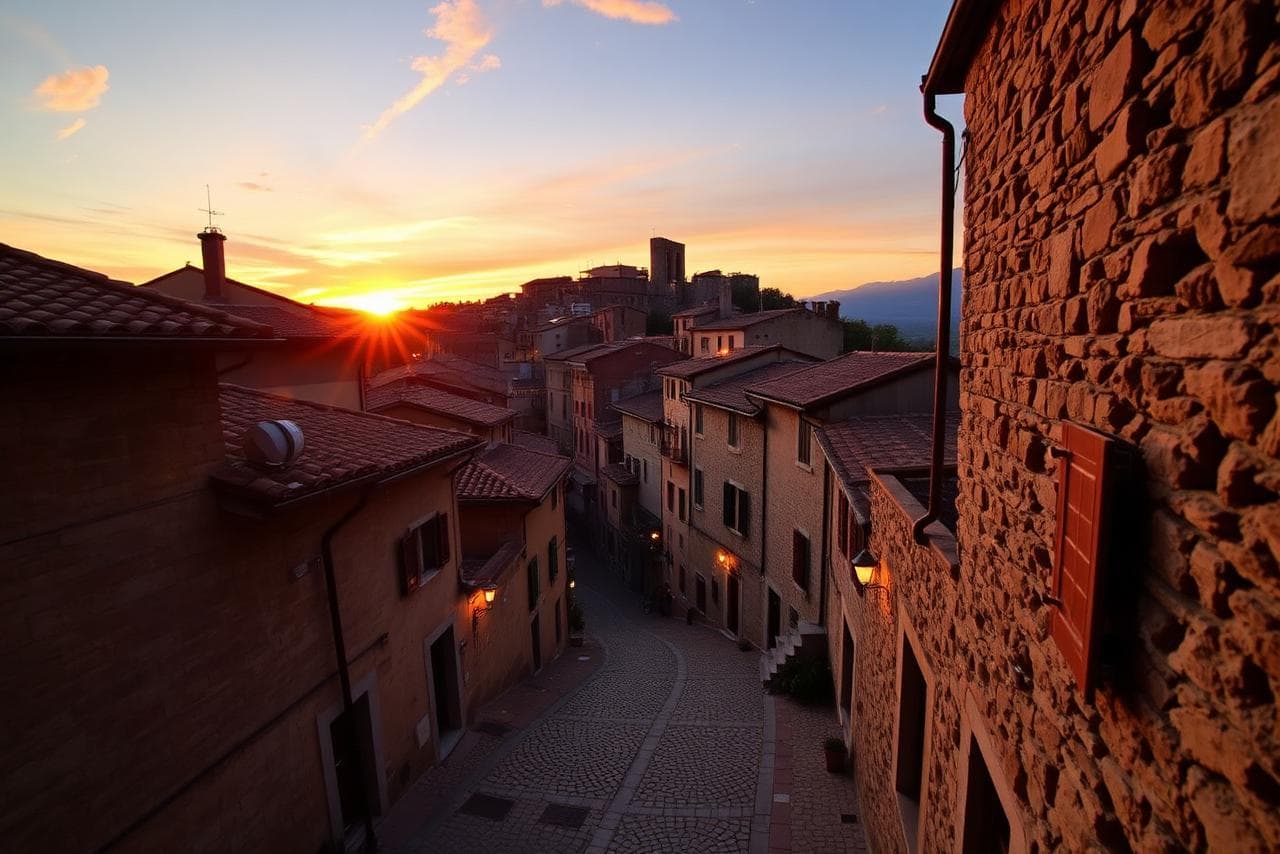
Tuscany Weather Guide: Month-by-Month, Regions & When to Visit
A month-by-month guide to Tuscany weather, with regional microclimates, pool-usable dates, sea temperatures, and an honest answer to when to visit based on what you want from your holiday.
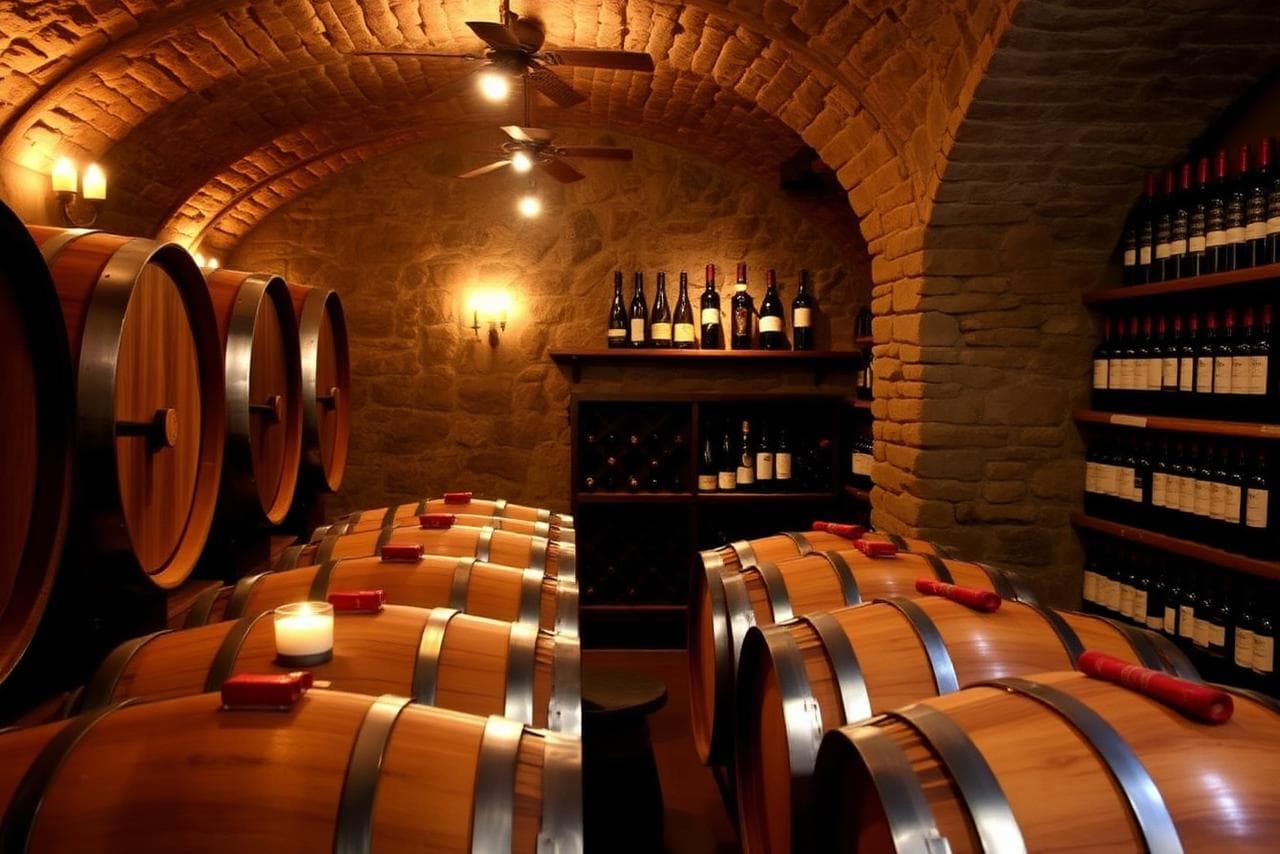
Tuscany in September: Weather, Crowds & Why Regulars Choose It
Most experienced Tuscany travellers will tell you September is the best month, warm enough for the pool, cool enough for full days exploring, and the grape harvest brings the wine country alive. A complete guide to the weather, crowds, what's open, and how to make the most of a September villa stay.
Tuscany in October: Weather, Crowds & the Photographer's Month
October is the quiet favourite of photographers, walkers and food travellers, golden light, olive harvest, falling crowds, and a landscape that turns from summer gold to amber rust over the course of the month. A complete guide to Tuscany weather in October, what's open, who it suits, and how it differs from September.
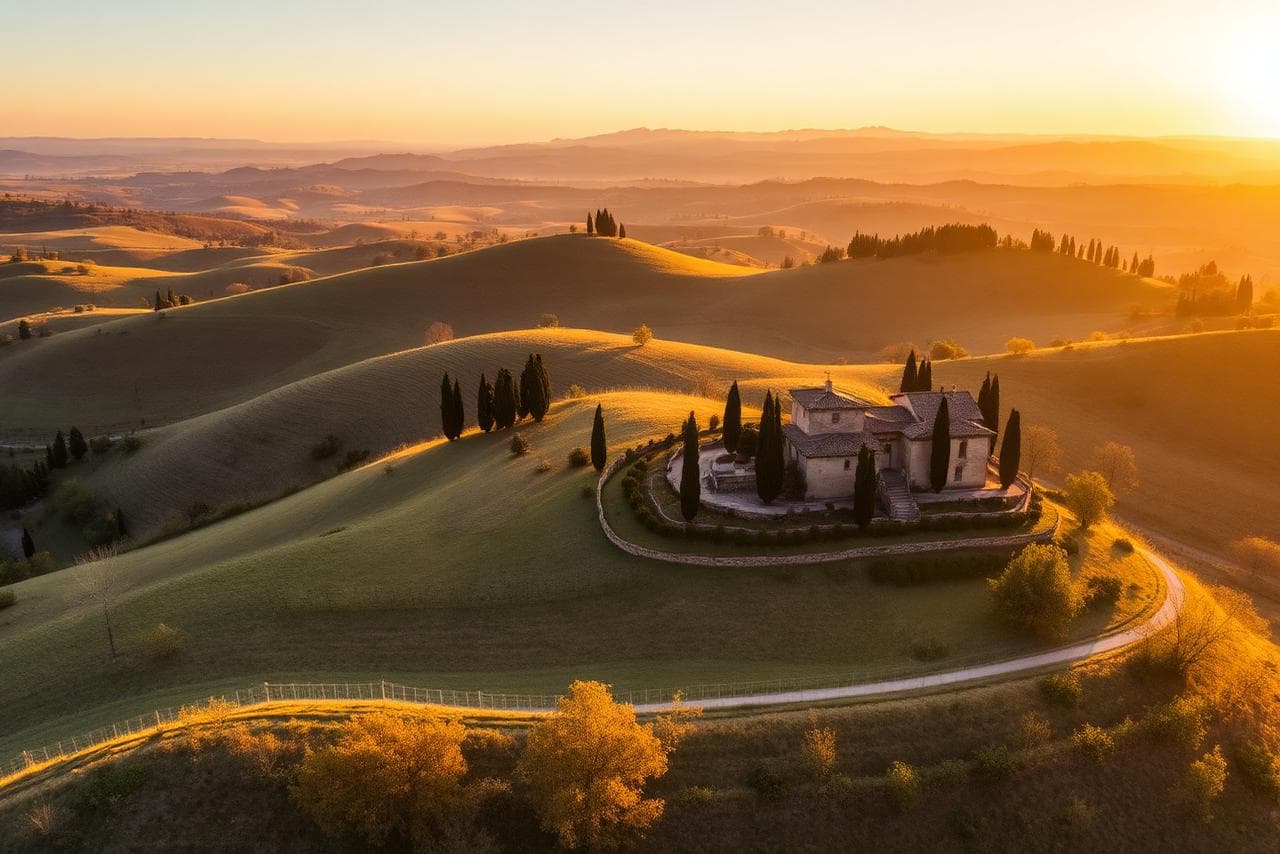
Tuscany in May: Weather, Crowds & the Year's Strongest Single Month
Ask any regular which single month of the year is the strongest in Tuscany, and most will say May. Warm dry weather, the countryside at its most spectacular green, long evenings, manageable crowds and pools just warm enough to use, a complete guide to the month, including who it suits and what to expect.

Tuscany in June: Weather, Crowds & the Start of Villa Season
June is the first full month of pool season and the start of the proper Tuscan villa year, warm enough for sustained outdoor living, before the August crowds arrive, with the landscape still showing late-spring green. A complete guide to weather, crowds, what's open, and how the first and second halves of the month differ.
Tuscany in July: Weather, Heat, Crowds & How to Make It Work
July is full peak villa season in Tuscany, sustained heat, long pool days, the Palio di Siena, and the rhythm of summer at its most defined. An honest guide to what to expect from the weather, the crowds and the pricing, with practical advice on how to plan around the heat rather than against it.
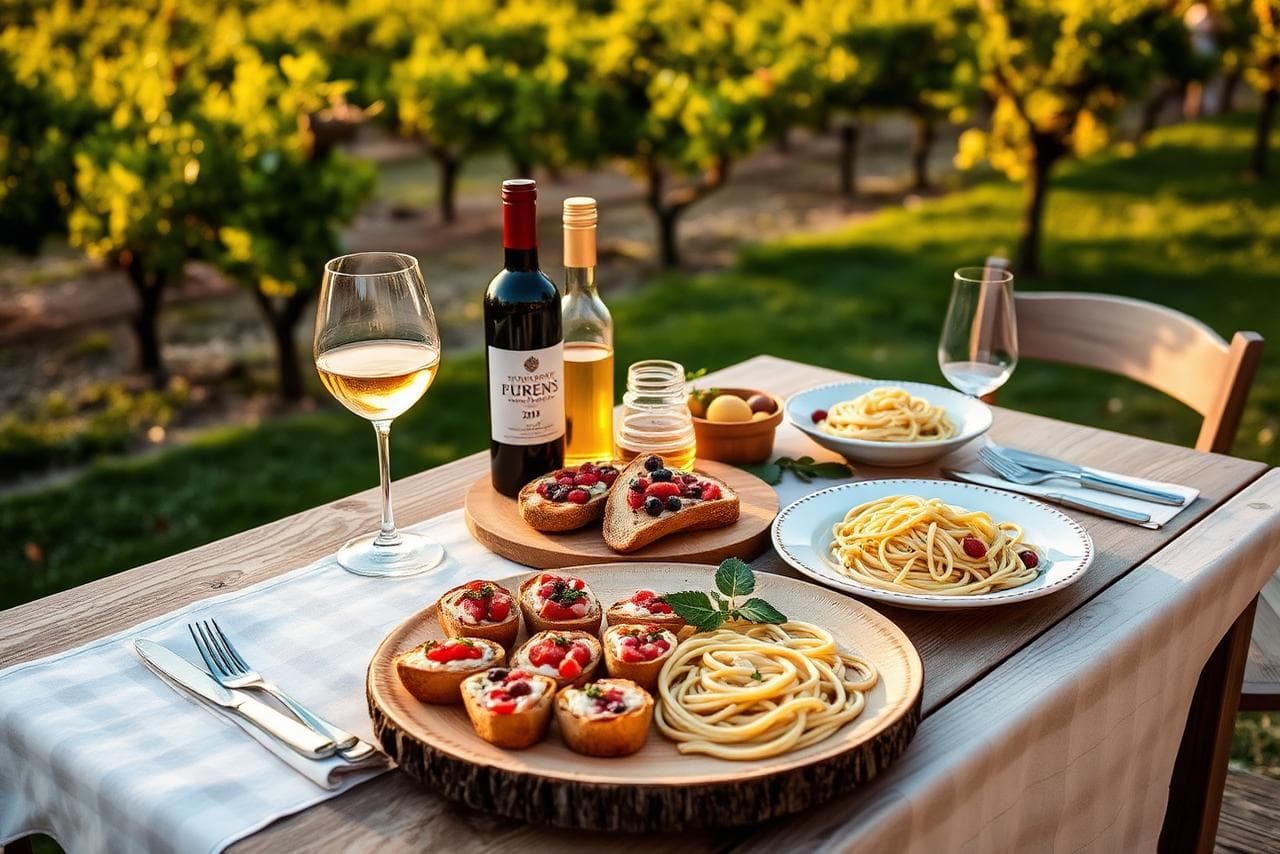
Tuscany in August: Weather, Ferragosto & the Reality of Peak Season
August is Tuscany at its most distinctively Italian, the entire country effectively on holiday, hilltop towns at peak density, Ferragosto fireworks on the 15th, and a rhythm that revolves entirely around the pool and the long Tuscan evening. An honest guide to what August delivers, what it doesn't, and how to plan around it.
Tuscany in November: Weather, Olive Harvest & Off-Season Travel
November is when Tuscany returns to its inhabitants. The olive harvest is in full swing, truffle season peaks, the wine year closes with fresh oil and new vintages in every cellar, and the visitor density drops to its lowest point of the autumn. A complete guide to weather, what's happening, who the month suits, and the practical realities of off-season travel.
Tuscany in December: Christmas Markets, Weather & Festive Travel
December in Tuscany has nothing to do with the villa-and-pool image of the rest of the year. Christmas markets, festive food traditions, atmospheric old cities at their most local, and a meaningful cultural calendar from early December through Epiphany on 6 January. A complete guide to weather, what's open, the markets worth visiting and the practicalities of festive travel.
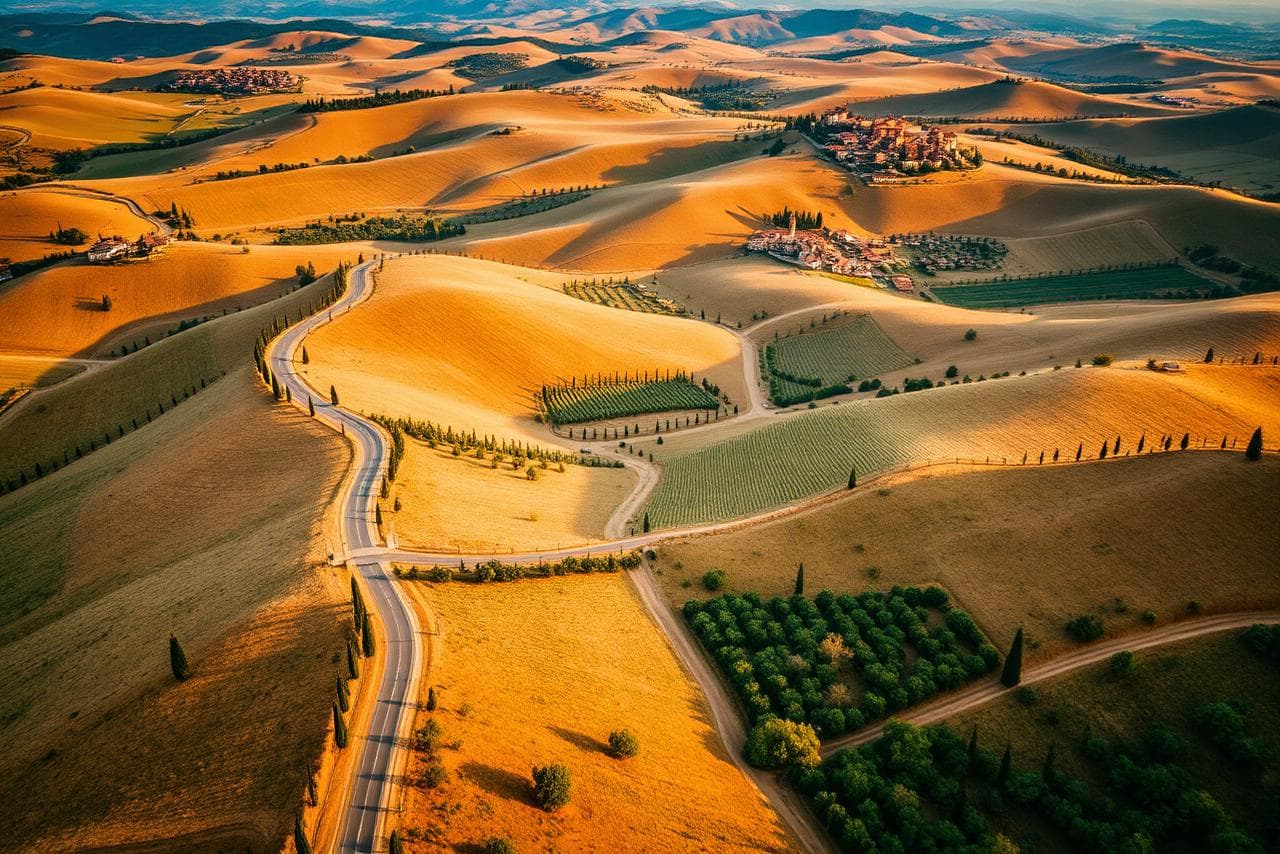
Tuscany in January: Weather, Sales & the Quietest Month of the Year
January is Tuscany at its most local. The festive crowds have gone, Italian schools are back, and the cities revert almost entirely to their inhabitants. For a Florence-focused short break, January is one of the best months of the entire year, fewer queues, lower prices, and an atmosphere that summer simply cannot deliver.
Tuscany in February: Carnevale, Almond Blossom & Late Winter
February is Tuscany's late winter, cold, generally damp, with the Carnevale di Viareggio (one of Italy's largest carnivals) running across the month and the first signs of spring arriving in the last week. A guide to weather, Carnevale, what's open, and how the month suits short cultural breaks more than countryside villa stays.
Tuscany in March: Weather, Spring's Arrival & the Quiet Shoulder Season
March is the month Tuscany properly turns the corner. The first wildflowers appear, daylight stretches past 12 hours, and on bright days lunch outside becomes plausible. A guide to the spring transition, what's blooming, and how to plan a March villa stay before the proper spring of April and May.
Tuscany in April: Weather, Easter & the Real Start of Spring
April is the first month that feels genuinely like Mediterranean spring in Tuscany, mild warm afternoons, the landscape at peak green and bloom, and Easter as the cultural anchor of the month. A complete guide to weather, the Easter calendar, who April suits and the regional differences in the spring transition.
The Best Areas to Rent a Villa in Tuscany and How to Choose
From Chianti's vineyards to Val d'Orcia's cypress valleys, Lucca's family-friendly hills to Maremma's wild coast, an honest guide to choosing the right region for your villa holiday.
Tuscan Food Guide: 10 Traditional Dishes You Must Try
From bistecca alla fiorentina to hand-rolled pici, a complete guide to traditional Tuscan food, where to eat each dish, and what to drink alongside it.
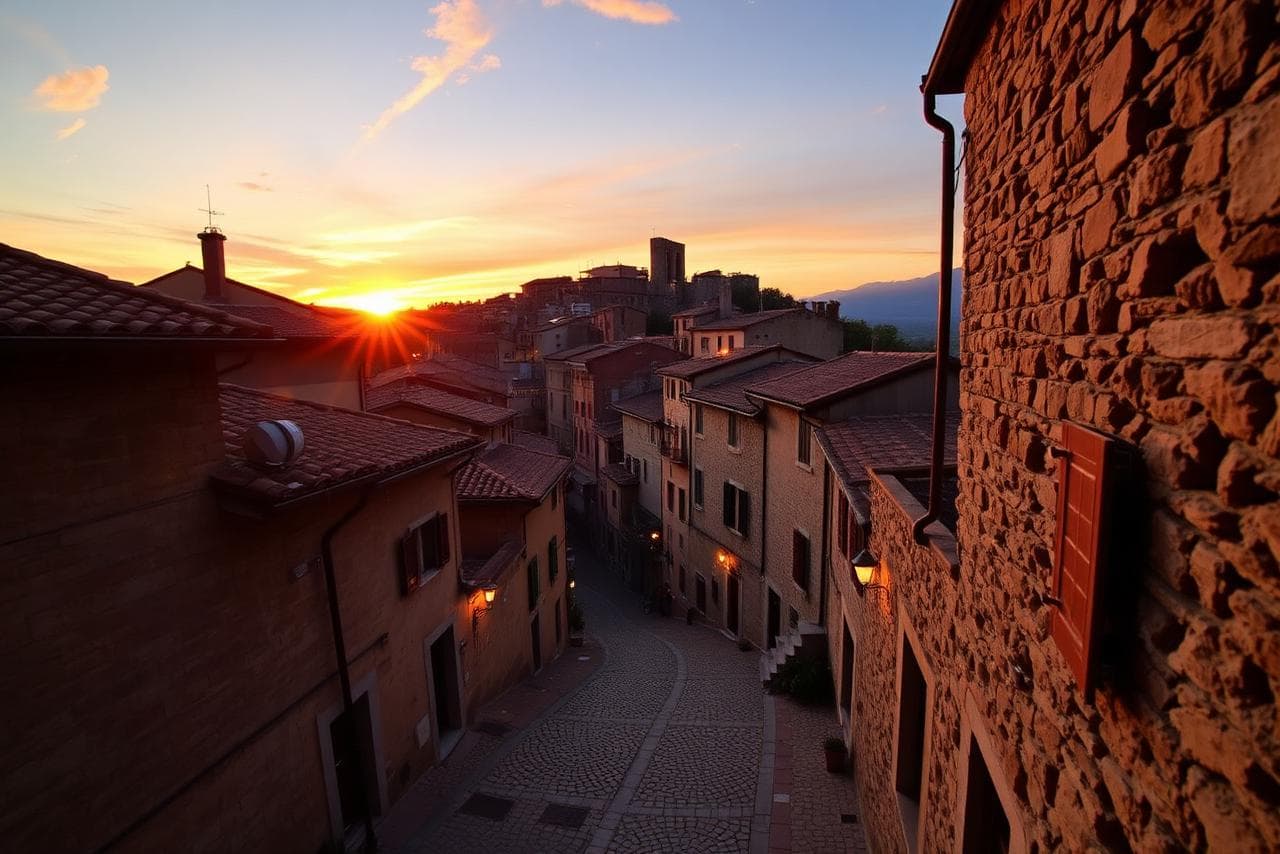
7 Hidden Hilltop Towns in Tuscany Worth the Detour
Beyond the guidebook favourites, discover the charming medieval villages that most visitors miss entirely.
Tuscan Wine Guide: Chianti, Brunello & Beyond
From Chianti Classico to Brunello di Montalcino, a complete guide to the wines of Tuscany, which estates to visit, and exactly what to drink with each dish.
Family Villa Holiday in Tuscany: The Complete Planning Guide
From choosing the right region to booking a child-friendly villa with a safe pool, a complete guide to planning a family or multi-generational villa holiday in Tuscany.
The Regions of Tuscany: A Complete Area-by-Area Guide
Tuscany is one of Europe's most varied regions, from vine-covered Chianti hills to the wild Maremma coast. This guide breaks down every region: its landscape, character, best towns, and who it suits for a villa holiday.
Florence Weather: Month-by-Month Guide for Every Season
Florence has a distinct microclimate, notably hotter than the Tuscan countryside in summer, beautiful in spring and autumn, rewarding even in winter. This month-by-month guide covers what to expect in every season, what to pack, and the honest best time to visit.
Lucca, Tuscany: Complete Travel Guide to Italy's Underrated City
Lucca is arguably the most underrated city in Tuscany, a perfectly preserved walled Renaissance city with outstanding food, far fewer visitors than Florence, and a genuinely Italian character that the more famous Tuscany cities have largely lost.
Best Time to Visit Tuscany: A Decision Guide for British Travellers
When to visit Tuscany depends entirely on what you want from your trip. A practical decision guide for British travellers covering villa pool holidays, weddings, vendemmia, family bookings, and the regions that swing the answer.
Italian Accommodation Types: Villa, Agriturismo, Fattoria & More
What's the difference between a villa, agriturismo, fattoria, podere and casa colonica? An honest guide to Italy's countryside accommodation types and which one suits which kind of holiday.
Tuscany Airports: Pisa, Florence, Rome & Bologna Compared
Which airport should you fly into for a Tuscany holiday? An honest comparison of the five real options — Pisa, Florence, Rome Fiumicino, Bologna and Perugia — with driving distances from each to every Tuscan region and major city.
Driving in Tuscany: An Honest Guide to Car Rental & Roads
Driving in Tuscany is less intimidating than visitors fear — but the rental-car size choices, ZTL zones, gravel roads and narrow rural lanes catch people out in specific ways, especially North American drivers used to wider roads. An honest practical guide.
Stay Inspired
Join our newsletter for seasonal travel tips, new villa launches, and exclusive offers, delivered monthly.