Tuscany in January: Weather, Sales & the Quietest Month of the Year
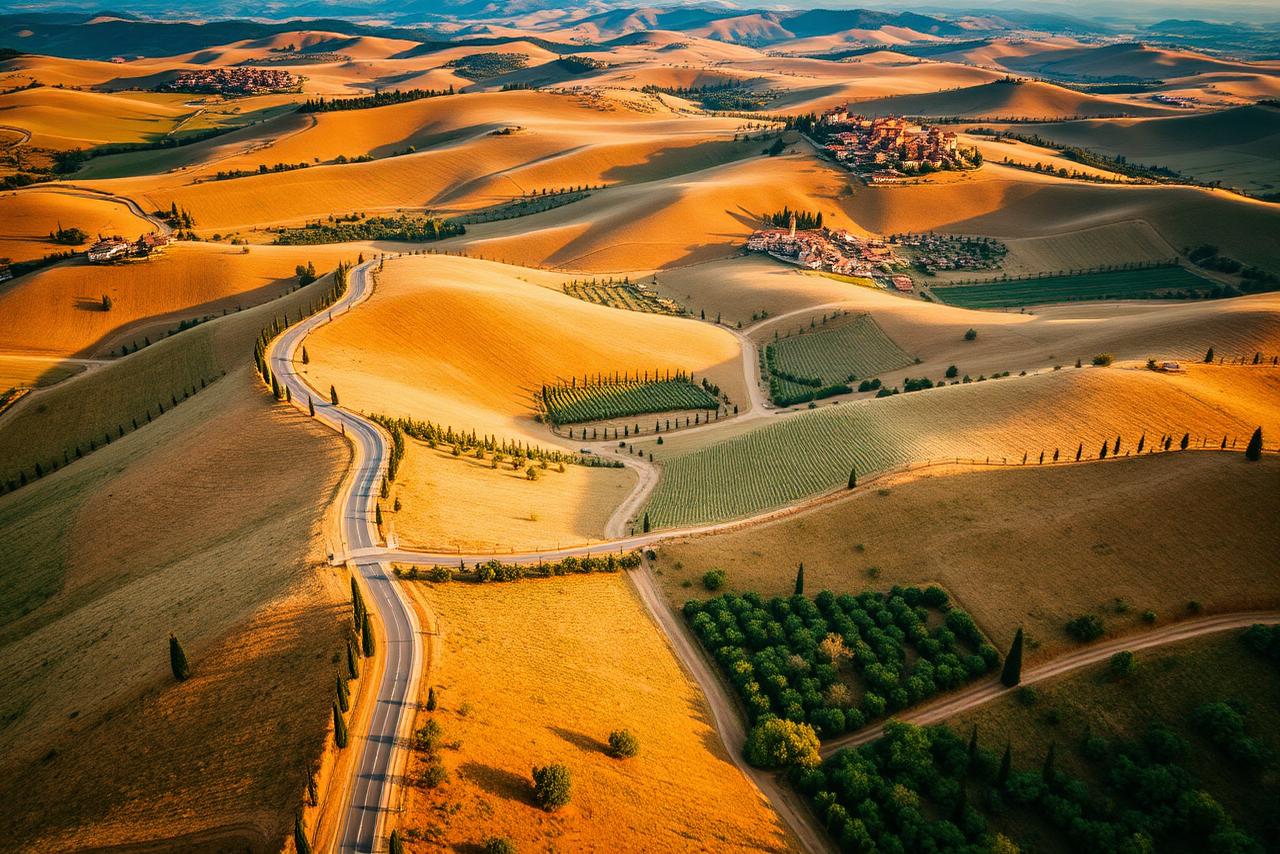
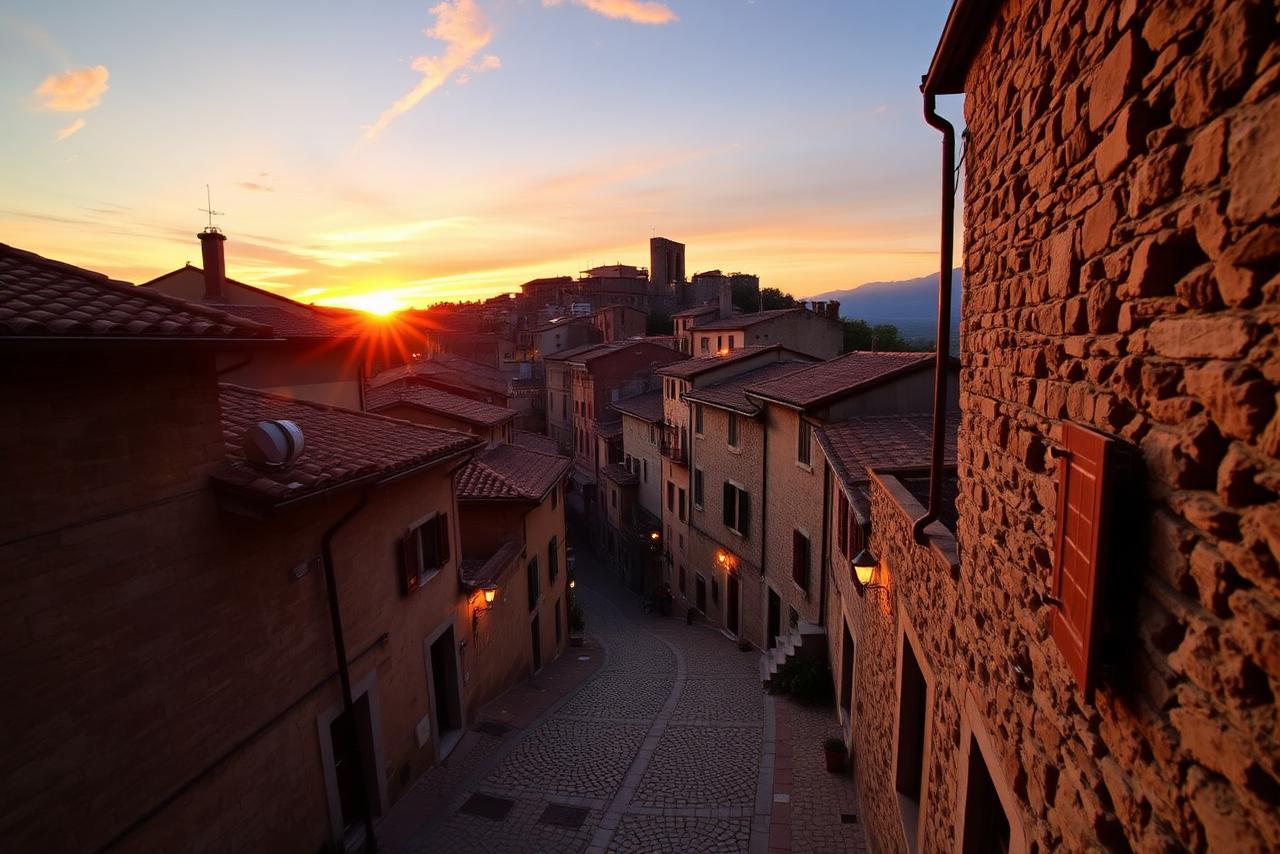
January is Tuscany at its most local. The visitors have gone home, the country settles into proper winter, and the cities revert almost entirely to their inhabitants. The Uffizi is walkable, the Boboli Gardens are quietly beautiful in the cold, the restaurants of central Florence take walk-ins for lunch. For a city-focused short break, January is one of the best months of the year. For a villa-centred countryside holiday, January is realistically the wrong month, the rural infrastructure is largely closed for the winter.
This guide covers what to expect from Tuscany weather in January, the Italian saldi (winter sales), Pitti Uomo and other January events, and the honest practicalities of an off-season city or countryside stay.
Tuscany Weather in January at a Glance
Central Tuscany averages 9°C daytime highs and 2°C overnight lows in January. Rainfall is 60-80mm across the month, lower than November or December. Daylight runs 9.5 hours, slowly lengthening from the solstice (around 9 hours on 1 January to 10 hours by month-end). Frost is common across central Tuscany; snow occasional above 400m elevation.
Florence specifically feels damp and chilly, the Arno valley concentrates cold air, and humidity remains high. The Tuscan Coast is milder and breezier; the higher Val d'Orcia and Garfagnana see proper snow on bright clear nights when ground temperatures drop.
What's Happening in Tuscany in January
The Italian saldi (winter sales)
The winter saldi typically begin on the first Saturday after Epiphany (so generally around 10 January) and run for 60 days. Tuscan retail, particularly Italian fashion in Florence, runs significant discounts during this window. The discounts deepen progressively through January; the first week is light (30-40%), the second and third weeks reach 50-60%, and the final fortnight clears stock at 70-80% off. For visitors specifically interested in Italian fashion, January in Florence is the optimal window.
Pitti Uomo (mid-January, Florence)
Italy's main menswear trade fair runs for four days in mid-January at the Fortezza da Basso. The fair itself is trade-only, but the streets of Florence during Pitti week have a particular character, attendees in elaborate winter tailoring, photographers shooting outside the venues, a temporary spike in restaurant demand in the centro storico. Worth knowing about whether you're going or not.
Sant'Antonio Abate (17 January)
A traditional rural festival blessing animals; small celebrations in farming villages across Chianti and the Val d'Orcia. Largely local, but worth attending if you happen to be in the area, it's an authentic glimpse of an older agricultural calendar.
Florence and Siena
Both at their most local and most walkable. The Uffizi opens at 8:15am with essentially no queue through most of January; the Accademia (home of the David) similarly. Restaurant booking is usually available the same day. Boboli Gardens, Pitti Palace, and the Bargello are particularly atmospheric in winter light.
Crowds and Pricing in January
From the second week of January onwards, January is the quietest tourist month of the year alongside February. Major attractions in Florence and Siena are essentially as accessible as they get; hilltop towns are largely empty during the week (slightly busier on Italian weekends).
Villa pricing is at annual lows from the second week onwards, often 60-70% below summer rates. The exception is the festive run-on through 6 January (Epiphany), which holds higher festive rates. Heating costs are a real consideration in January, ask explicitly about insulation, glazing quality and heating systems during the booking conversation. A properly heated villa with a working fireplace can be genuinely lovely; a poorly-heated countryside conversion can be cold and expensive.
Who January Suits Best
January suits: short Florence-focused breaks (3-5 days); cultural sightseers prioritising the Uffizi, the Accademia, the Pitti Palace and the Bargello; fashion-interested visitors during Pitti Uomo or for the saldi; mature couples on a quiet winter break; cooking-school enrolments (most Florentine cooking schools run their full winter programmes); writers and remote workers seeking a quiet European base.
January is not suited to: any pool-based holiday; family villa stays where outdoor pool time is part of the plan; first-time Tuscany visitors expecting the iconic summer landscape; large groups for whom the villa-as-centre-of-gravity model is the holiday.
Practical Notes for January
Driving and roads
Central Tuscany roads remain in normal condition through January. The exception is altitude in the Val d'Orcia and the Garfagnana, where occasional snow can make white gravel roads impassable for a day. If you're staying at a remote countryside property in January, ask about access during snow events.
Restaurants
Many countryside restaurants close from mid-November through mid-March. The ones that remain open are mostly in or near the larger towns. Plan your villa location around at least one reliable open restaurant within easy driving distance.
Florence as a base
For a January Tuscany trip, a Florence apartment is often more practical than a countryside villa. The city's compactness, walkability and full operating restaurants and galleries suit the season better than the slowed-down rural experience.
Tuscany in January by Region
Florence and Chianti
The strongest January base. Florence at its most local; the Chianti villages within easy driving distance for an afternoon visit; the Pitti and Uffizi accessible. Browse Chianti villas →
Val d'Orcia
Atmospheric but practically limited in January; cold, occasionally snowed-in at higher elevations, many countryside establishments closed. Best for short visits from a Florence or Siena base rather than as the primary villa location. Browse Val d'Orcia villas →
Tuscan Coast and Maremma
Mildest part of Tuscany in January. The Maremma thermal springs are particularly good against the cold; Monte Argentario and the coast are quiet and accessible. Browse coastal villas →
Umbria
Quieter still than Tuscany and 20-30% cheaper. Assisi in January is profoundly atmospheric, the cold cuts the medieval architecture sharply. Browse Umbria villas →
Compared to December and February
December has the festive calendar and Christmas markets that anchor a different kind of trip, see Tuscany in December.
February is broadly similar to January but with Carnevale di Viareggio in the second half and the first hints of spring by month-end, see Tuscany in February.
For the full month-by-month picture, see the weather pillar.
Frequently Asked Questions
Is January too cold for Tuscany?
Cold but not uncomfortable. Florence and the cities are fully usable; the countryside experience is materially limited by closed establishments and short days. For city breaks, January is excellent.
Is the Uffizi quiet in January?
Genuinely the quietest of the year. Booking is generally unnecessary outside Pitti week; same-day tickets are normal.
Can you visit wineries in January?
Many smaller producers close to visitors through the winter; the larger estates remain open with reduced hours, often by appointment only. The wine experience is different in January, quieter, more personal, but requires planning ahead.
Plan a January Trip
For most January travellers, a Florence apartment plus day trips works better than a countryside villa. For groups specifically wanting a properly heated countryside retreat (often around the saldi or for a quiet writing-and-reading week), we can match you to a property with the right heating, fireplace, and access profile. Get in touch and let us know whether the trip is city-focused or villa-focused.