Tuscany in March: Weather, Spring's Arrival & the Quiet Shoulder Season
March is the month Tuscany properly turns the corner. The first half can still feel like an extension of winter, particularly in the higher elevations of the Val d'Orcia and Garfagnana, but by the third week the change is unmistakable. Almond blossom is everywhere in the lowlands; wisteria starts; cypress avenues take on the green-yellow hue of new growth. Daylight stretches past 12 hours and the difference, after January and February's short days, is noticeable to anyone spending time outside.
This guide covers what to expect from Tuscany weather in March, the spring transition and what's blooming, who the month suits, and how it differs from April either side.
Tuscany Weather in March at a Glance
Central Tuscany averages 14°C daytime highs and 5°C overnight lows in March. Rainfall is 70-80mm across the month, modest by Tuscany standards. Daylight stretches from 11 hours at the start of the month to 12.5 by month-end (clocks change at the end of March, adding an hour of evening light).
The Tuscan Coast warms ahead of the inland hills; the higher Val d'Orcia and Garfagnana still see occasional frost into the second week of March; the warmest part of the region in March is generally the Maremma and the Lucchesia.
The Spring Transition in March
The spring change in Tuscany happens visibly within a single month. The first ten days of March still feel like late winter: short bursts of sun, regular rain, the landscape essentially dormant. By the middle of the month, several markers start appearing in succession.
Almond blossom peaks in the lowland Maremma and Lucchesia from around 5-15 March, with central Tuscany following by mid-month. The first wisteria appears against south-facing walls. Cypress trees, after appearing dark and uniform through winter, begin to show new green growth at their tips. The vines of Chianti and the Val d'Orcia are pruned in the first half of the month, ready for the new vegetative cycle. Farmers' markets fill with the first new-season produce, broad beans, asparagus, the first strawberries.
By the last week of March, daylight saving time begins (clocks forward), adding an hour of evening light. The combination of warmer afternoons, blossom, longer light, and a clearly restarting agricultural year means by the 25th of March, you can comfortably eat lunch outside on a bright day, the first time of the year that's been true.
What's Happening in Tuscany in March
Mostra Mercato di Camelia (mid-March, Sant'Andrea di Compito)
A small but charming festival in the hills above Lucca celebrating the camellias that grow wild in the area, with markets, garden visits and tastings. Worth a half-day from a Lucchesia base.
Florence's Holy Week (when Easter falls early)
When Easter falls in late March (it doesn't in 2026 but does in some years), Holy Week culminates in Florence's Scoppio del Carro, the explosion of the cart on Easter Sunday in front of the Duomo. In 2026, Easter falls in early April so the Florentine calendar is quieter through March itself.
Vine pruning and the agricultural calendar
Wine estates across Tuscany prune their vines through March. Several Chianti estates run pruning courses for guests interested in the agricultural side of wine; book ahead via the villa team.
Mostra Mercato di Florence (late March)
The major Florentine spring fair, mostly antiques, runs across late March and early April in Piazza Santo Spirito and adjacent piazzas.
Cooking schools
Florence's cooking schools run their full programmes in March. The combination of fewer tourist crowds, abundant new-season produce, and warmer-by-late-month weather makes March one of the better windows for a cooking-school week.
Crowds and Pricing in March
March is shoulder-shoulder season. Tourist density is meaningfully higher than February but well below April-May, and significantly below summer. Florence and Siena are accessible with minimal queue management; the smaller hilltop towns are quiet.
Villa pricing in March sits between deep off-season (Jan-Feb) and proper spring (April-May), often 40-50% below summer peaks. The exception is the week of Florence's spring fair and any week falling near Easter (when Easter falls early). Heating costs decline meaningfully from January-February levels but remain a real consideration for the first two weeks.
Who March Suits Best
March suits: cultural travellers interested in the spring transition and the agricultural calendar; serious walkers and cyclists (the weather is ideal for sustained outdoor activity by mid-month); cooking-school enrolments; Florence and Siena city breaks; flower-and-garden-focused trips; visitors who specifically want Tuscany before the proper-season crowds arrive.
March is not suited to: pool-based holidays (still too cool); families with school-age children whose holidays don't yet fall in March; first-time Tuscany visitors expecting the iconic summer landscape; large groups for whom the villa centrality matters.
Tuscany in March by Region
Chianti
Vine pruning underway; the first hilltop walks plausible by mid-month; restaurants beginning to reopen for the season. Browse Chianti villas →
Val d'Orcia
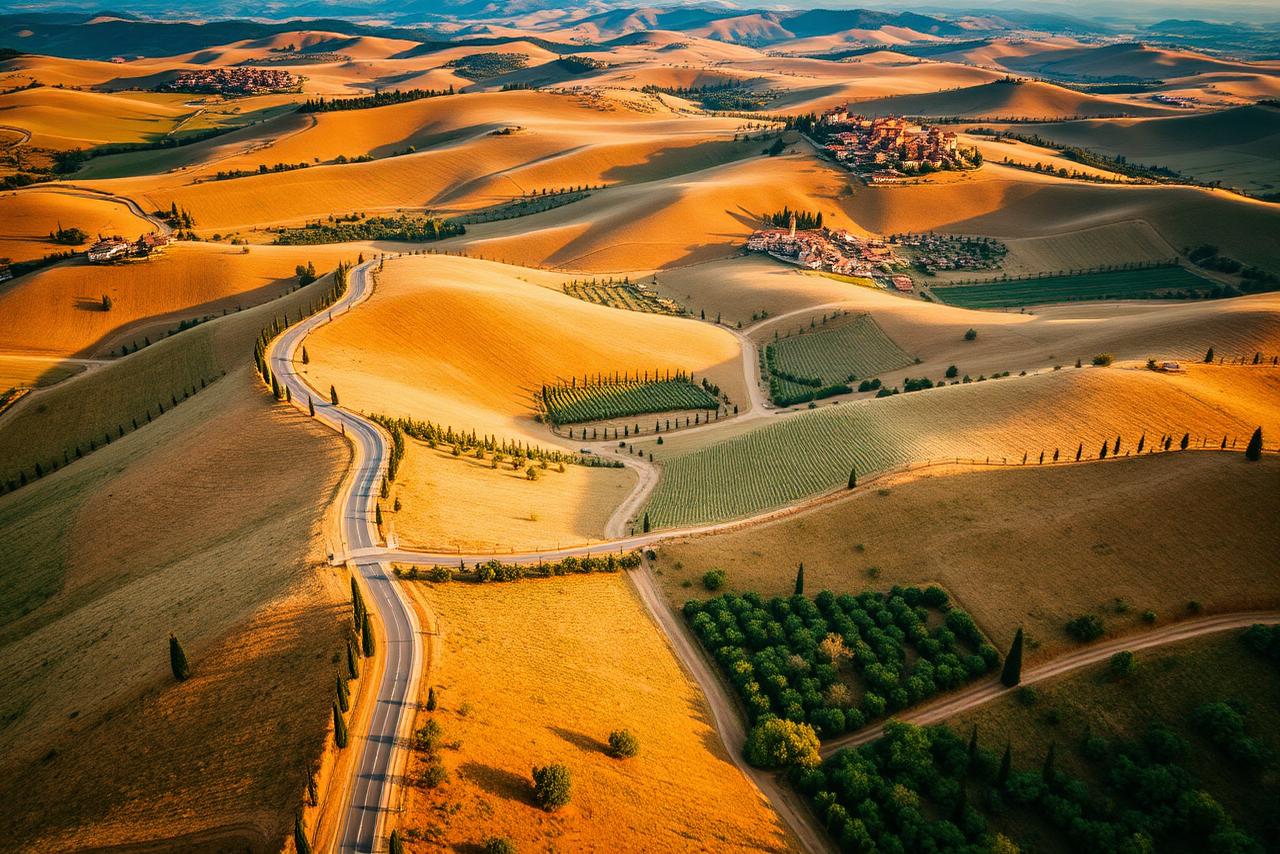
Still cool in the first half; properly emerging by the third week. Photographers prize the brief window of late-March light when the wheat fields are bright green and the cypress avenues already in new growth. Browse Val d'Orcia villas →
Tuscan Coast and Maremma
Warmest part of Tuscany in March; the wildflowers across the Parco Naturale della Maremma reach their first peak. Browse coastal villas →
Umbria
Greener than Tuscany through March, with the Apennine foothills holding cooler temperatures. Truffle season tapers off; the new-vintage Sagrantino releases. Browse Umbria villas →
Compared to February and April
February is properly winter with Carnevale as the main event, see Tuscany in February.
April is the first month that feels genuinely like Mediterranean spring, with Easter as the cultural anchor, see Tuscany in April.
For the full month-by-month picture, see the weather pillar.
Frequently Asked Questions
Is March warm in Tuscany?
Mild rather than warm. Daytime highs of 14°C are typical; the last week can produce surprisingly warm afternoons but mornings remain cool throughout.
Can you walk and cycle in Tuscany in March?
Yes, particularly from the second half of the month. The weather is at its most comfortable for sustained outdoor activity, neither too hot nor too cold.
Are wineries open in March?
Most reopen during March after winter closures. Vine pruning is the visible activity. Tasting visits should be booked ahead; spontaneous walk-ins are less reliable than in summer.
Plan a March Villa Stay
March villa stays suit walking-and-cycling-focused trips, cultural breaks anchored on Florence and Siena, or quiet rural retreats with proper heating for the first half of the month. We can match you to the right property profile for what you want from the month, the questions to ask are about heating and access in the early part, and about restaurant openings near the property. Get in touch with your dates and rough trip shape.