Italy's Green Heart
Umbria
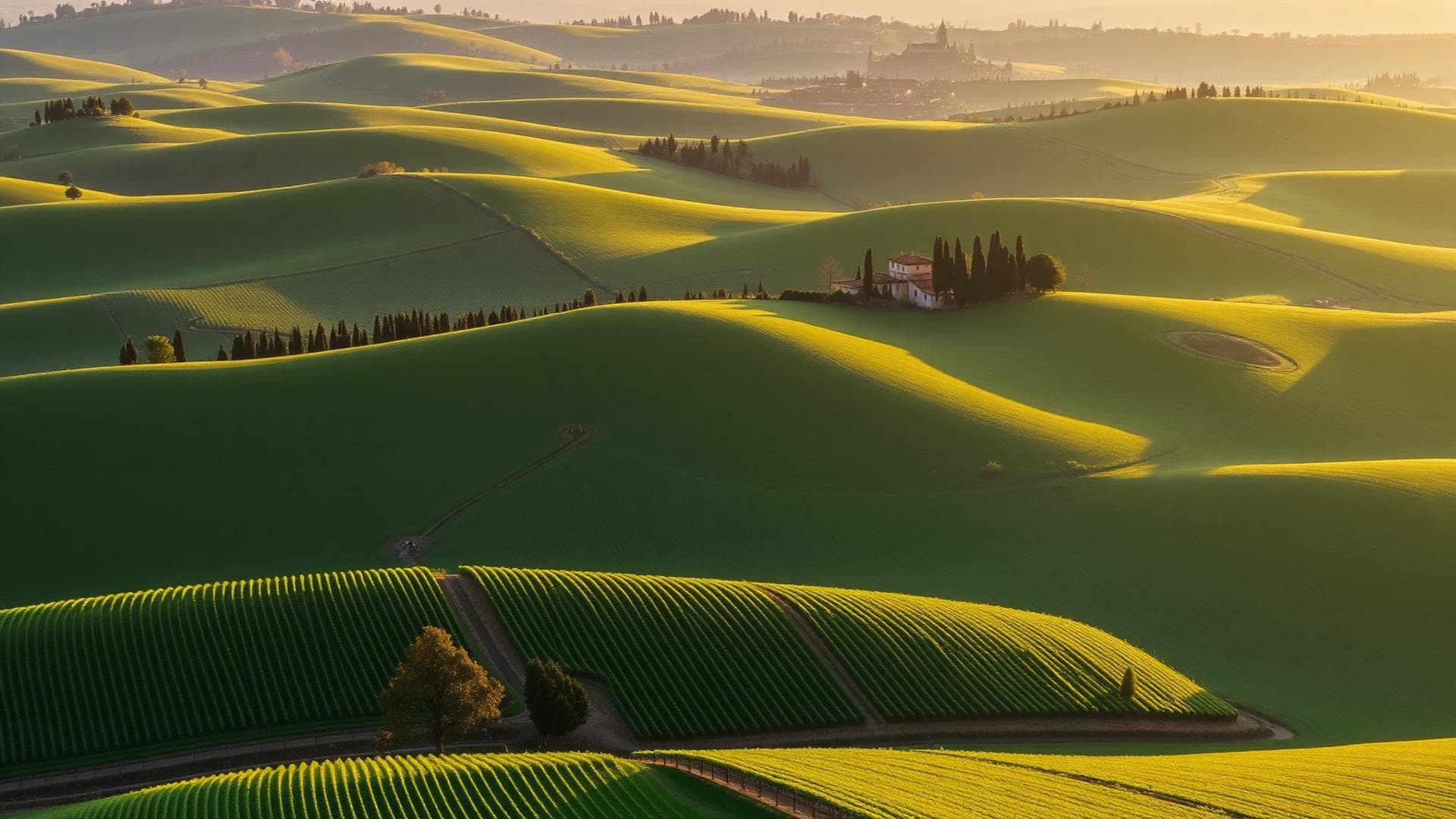
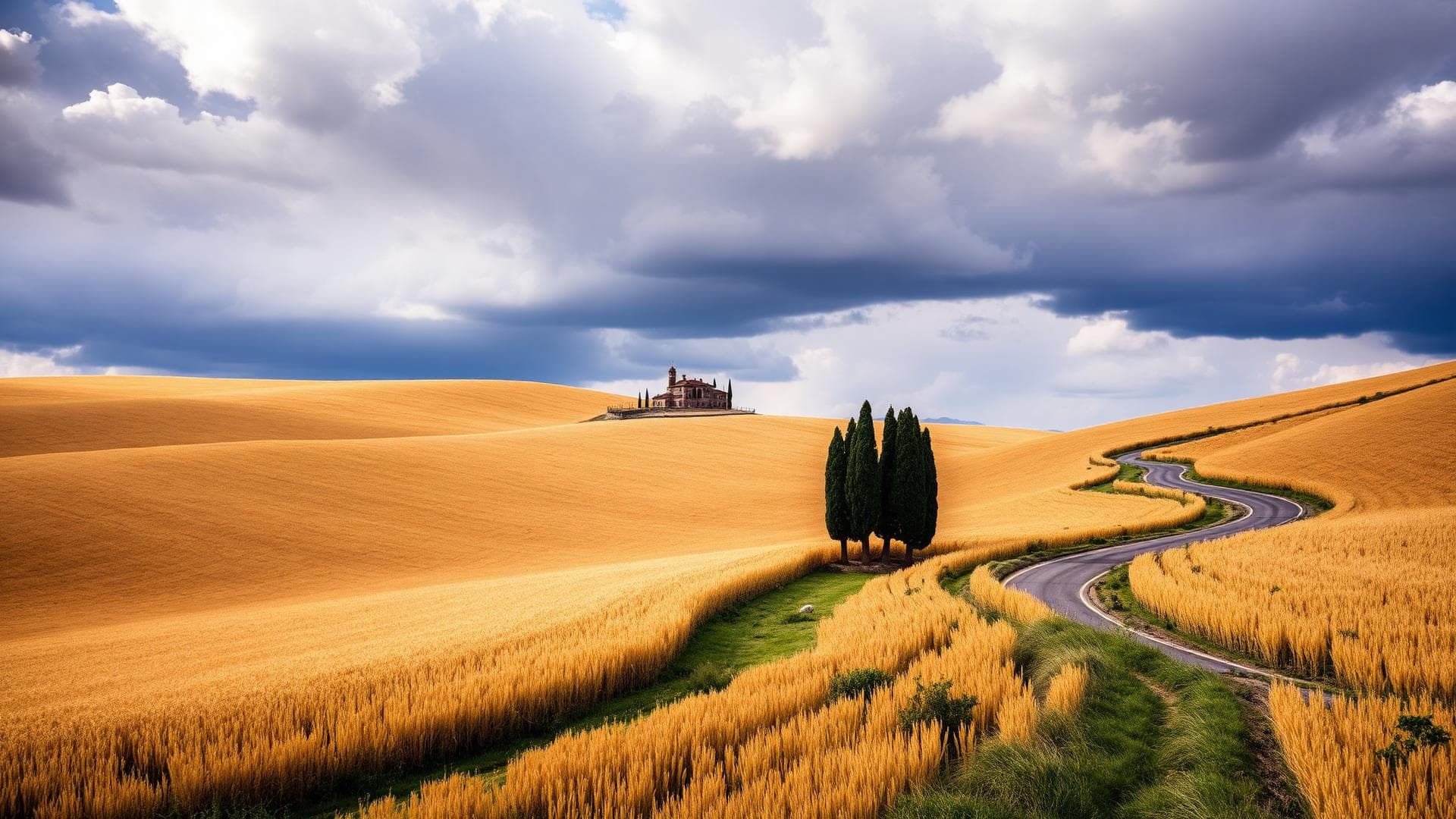
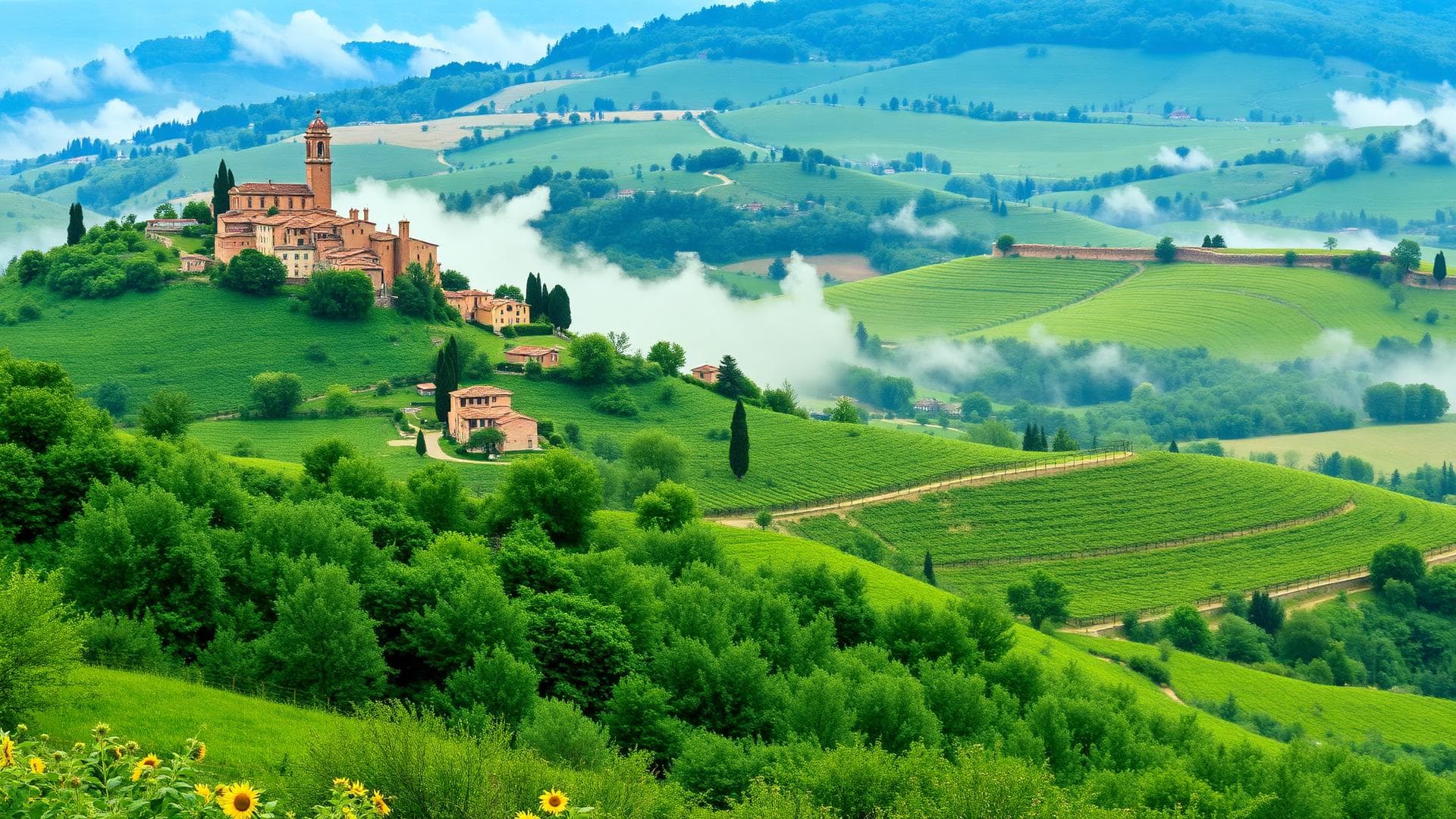
Often called 'the other Tuscany', Umbria offers the same rolling beauty with fewer crowds and an even deeper sense of timelessness. Medieval hilltop towns like Assisi, Spoleto, and Orvieto sit above lush valleys of olive groves and sunflower fields, a haven for those seeking authentic Italian tranquility.
Quick Answer
Umbria is the landlocked region directly east of Tuscany, known as Italy's green heart. It offers the same medieval hill towns, excellent cuisine, and rolling countryside as its neighbour, but with significantly fewer visitors. A villa in Umbria typically means complete quiet, unspoilt views, and easy access to Assisi, Orvieto, Spoleto, and the black truffle country around Norcia.
Umbria is what people hope Tuscany will be before they've been to Tuscany, quieter, less visited, with a landscape that feels genuinely unhurried. The towns are extraordinary: Assisi, home to the Basilica of St Francis and its magnificent Giotto frescoes; Orvieto, perched on a sheer tufa cliff above the Paglia valley; Spoleto, with its Roman amphitheatre and the dramatic Ponte delle Torri aqueduct.
The food is excellent and distinctively different from Tuscany: black truffles from Norcia, lentils from Castelluccio, Sagrantino wine from Montefalco. Lake Trasimeno, the fourth-largest lake in Italy, provides a completely different kind of day out from the hill-town itinerary. Villas in Umbria often have a sense of true escape that's harder to find in the more visited areas of Tuscany.
What to Expect in Umbria
Assisi & Orvieto
Basilicas, Etruscan ruins, and medieval streets that tell a thousand years of history.
Sagrantino Wine
Discover Montefalco's bold Sagrantino, a powerful red unique to Umbria.
Truffles & Olive Oil
Norcia is Italy's truffle capital; Umbrian extra virgin is among the world's finest.
Countryside Walks
Gentle trails through olive groves, lakeside paths at Trasimeno, and the Sibillini mountains.
Why Umbria?
The honest case for Umbria is this: it's Tuscany without the crowds. The landscape is softer and greener, rolling hills covered in olive groves and oak forests rather than the more manicured Chianti vineyards and the towns haven't yet been fully absorbed into the international tourism circuit. You can walk the streets of Assisi or Orvieto on a Tuesday morning in June and feel like you're actually in Italy rather than a well-managed version of it.
Umbria also suits guests who want to combine a villa holiday with serious cultural itineraries. The concentration of Romanesque churches, Etruscan ruins, and Renaissance art within a relatively small area is extraordinary and largely undiscovered by comparison with Tuscany.
Food, Wine and Truffles
Umbrian food has a strong identity. Norcia, in the mountains of eastern Umbria, is Italy's truffle and salumi capital, the best norcineria in the region sell black truffles, cured meats, and cheeses that you'll find yourself ordering online once you're home. The lentils of Castelluccio, grown on a high plain surrounded by mountains, are considered among the finest in Europe.
The wine is centred on Sagrantino di Montefalco, a powerful, tannic red made from a grape found only in this small corner of Umbria. It needs age to soften, but a good Sagrantino Passito (the sweet version) is one of Italy's most distinctive dessert wines. Orvieto Classico, the white, is less distinguished but perfect with the local lake fish.
Key Towns in Umbria
Assisi
The birthplace of St Francis and home to the Basilica di San Francesco, a double church decorated with Giotto's famous fresco cycle. The town itself is pink-stoned and medieval, perched on the slopes of Monte Subasio with views across the Vale of Spoleto. Visit early morning before the day-trippers arrive.
Orvieto
Perched on a sheer tufa cliff above the Paglia valley, Orvieto is one of Italy's most dramatically sited towns. The Duomo facade, a Gothic masterpiece in striped black and white marble, is visible from the motorway below. The underground city (Orvieto Underground tours) reveals Etruscan tunnels, medieval wells, and cave dwellings beneath the streets.
Spoleto
A proper Italian city with a Roman amphitheatre, a 14th-century fortress, and the spectacular Ponte delle Torri, a 230-metre aqueduct bridge that crosses a wooded gorge. Home to the Festival dei Due Mondi (Festival of Two Worlds) each summer. Less visited than Assisi or Orvieto, and better for it.
Montefalco
A small hill town known as the 'balcony of Umbria' for its 360-degree views across the Vale of Spoleto. The local wine, Sagrantino di Montefalco DOCG, is one of Italy's most powerful and age-worthy reds, and the enoteca at the top of town is one of the better places in the region to understand what it's capable of.
Frequently Asked Questions
Umbria borders Tuscany to the east, so the distance depends on which part of both regions you're in. From a villa near Orvieto or Assisi, Siena is around 1.5 hours, Florence 2-2.5 hours. The Val d'Orcia towns (Pienza, Montepulciano) are 1-1.5 hours from most Umbrian bases. It's very feasible to combine an Umbrian villa with Tuscan day trips.
Yes, particularly for families with older children interested in history and culture. Lake Trasimeno offers swimming and boat trips; the Castelluccio plateau and Sibillini mountains are excellent for walking. The towns are smaller and less overwhelming than Florence, which suits families who find large cities exhausting. Food is universally excellent and child-friendly.
April through October. The truffle season runs from November through March (black truffles) and July through August (summer truffles), worth timing a visit around if truffles are a priority. The Spoleto arts festival runs in late June and early July, drawing international visitors. September and October are particularly good for walking, wine harvest, and the olive oil pressing.