Tuscany in July: Weather, Heat, Crowds & How to Make It Work
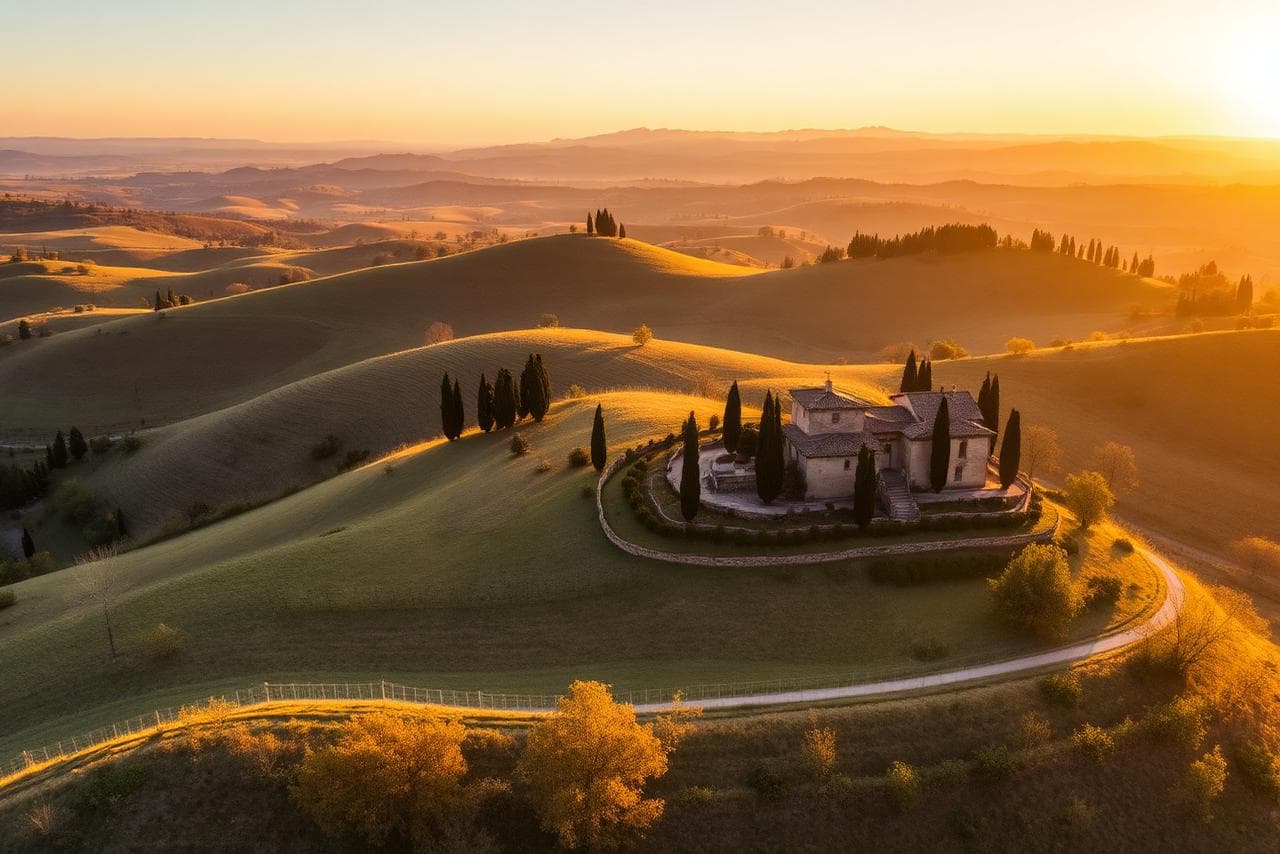
July is Tuscany at its most summery, and at its most demanding. The heat is sustained, the days are long, the pool becomes the gravitational centre of life, and the entire region operates at peak capacity. It's also when most visitors imagine when they picture an Italian villa holiday, dinner on the terrace at 9pm, the cypress trees silhouetted against a still-warm sky, the morning swim before the heat builds. July delivers that image more reliably than any other month, but it requires planning around the heat rather than against it.
This guide covers what to expect from Tuscany weather in July, the Palio di Siena and other key events, how to plan a day around 33°C afternoons, who July suits and who it doesn't, and how the month compares to June and August. The numbers in this guide match our Tuscany weather pillar.
Tuscany Weather in July at a Glance
Central Tuscany (Chianti, Val d'Orcia) averages 31-33°C daytime highs and 18-20°C overnight lows in July. Rainfall is 15-25mm across the month, typically as a single dramatic thunderstorm. Daylight is 14.5 hours, sunrise around 6am, sunset close to 9pm.
The Florence basin runs notably hotter, afternoon highs of 33-36°C are routine, with heatwaves pushing toward 38°C. The Tuscan Coast benefits from sea breezes and runs slightly cooler than inland Chianti. The higher Val d'Orcia stays 1-2°C cooler than central Chianti and crucially has cooler evenings (16-18°C nightly), which matters for sleep. Sea temperatures reach 24°C and are properly swimmable.
What Tuscany Feels Like in July
Mornings begin warm but not yet hot, typically in the low twenties before 9am. The cicadas start their chorus by 10am. The afternoon heat builds steadily; from around 2pm until 6pm, much of the region effectively pauses. Shops in smaller towns close for the riposo (siesta); restaurants serve their main service at 1pm and then close until 7:30pm; the streets of hilltop towns empty.
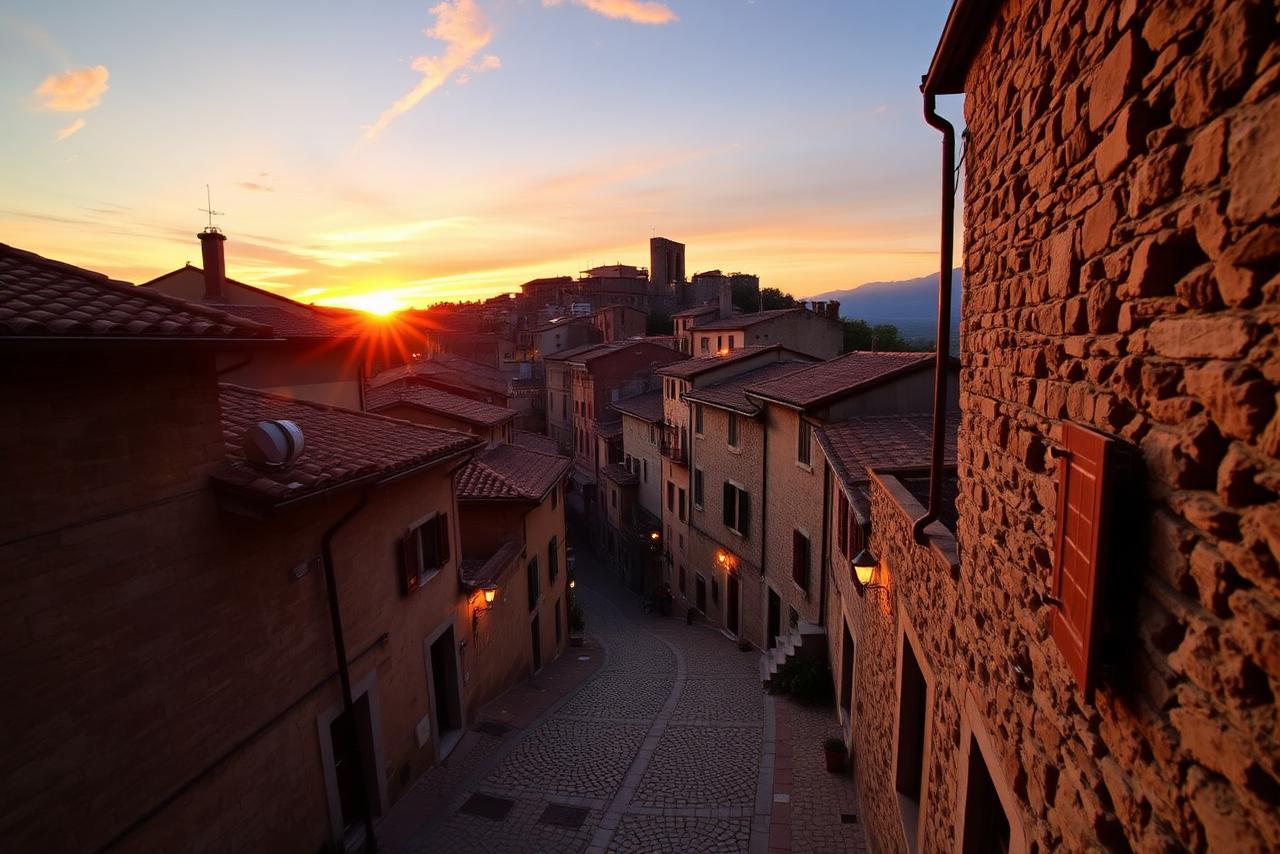
Around the villa, this is the day's most useful structure. The pool becomes the obvious centre of gravity from early afternoon. By the time activity resumes, around 6pm, the heat has eased to the high twenties, and the long Tuscan evening, the period most visitors quietly love most, runs from 7pm through midnight under a sky that stays warm until well after sunset. Late dinners on the terrace are the natural rhythm; 9pm is normal, 10pm not unusual.
What's Happening in Tuscany in July
The Palio di Siena (2 July)
One of Italy's most distinctive cultural events: a bareback horse race around the Piazza del Campo, contested between 10 of Siena's 17 contrade (neighbourhood districts). The Palio runs twice a year, on 2 July and 16 August. The 2 July edition is broadly the more accessible to outside visitors. Siena fills entirely on Palio day; book accommodation and any sightseeing months ahead.
Pucciniano Festival (Torre del Lago)
Open-air opera in the lakeside town where Puccini lived and worked, running through July and August. The setting is Italian summer at its most theatrical, opera under the stars beside a Tuscan lake.
Lucca Summer Festival
Major international acts (recent years have included Bruce Springsteen, Paul McCartney, Robbie Williams) playing in Piazza Napoleone inside Lucca's Renaissance walls. Tickets sell out fast; check the schedule when booking.
Estate Fiesolana
Continues from June; classical, jazz, and theatre in the Roman amphitheatre above Florence.
Sagre and outdoor cinemas
Every Tuscan town runs at least one sagra through July. Cinema sotto le stelle (cinema under the stars) screenings appear in every major piazza.
Crowds and Pricing in July
July is firmly peak season. From the second week onwards, when European schools break, the major hilltop towns are at their busiest of the year. Florence becomes genuinely uncomfortable for sustained walking by afternoon. Restaurant booking is essential in popular Chianti villages and in any of the Val d'Orcia towns.
Villa pricing is at or near peak. Best properties are typically reserved nine to twelve months out; some of the most popular larger villas are taken before the previous season ends. Properties available three months out are generally those with awkward sizes or less ideal locations. For premium July weeks, plan twelve months in advance; for shoulder weeks (first week of July or last week before August), three to six months may still be workable.
Who July Suits Best
July suits the classic villa-and-pool holiday: families with school-age children, groups whose primary mode is pool plus long lunches plus late dinners, anyone who specifically wants Tuscany in full summer mode. The villa-as-base model works very well in July; what matters most is choosing a villa with full air conditioning and a properly maintained pool, see our private-pool villa collection.
July is less suited to: visitors whose holiday revolves around extensive city sightseeing (Florence specifically is uncomfortable); walkers and cyclists who want sustained outdoor activity through the day (mornings only); anyone who finds 33°C heat exhausting; and travellers on tight budgets (pricing is at annual peak).
Planning a July Day Around the Heat
The most successful July villa holidays follow roughly this rhythm: early breakfast on the terrace by 8am, morning excursion or town visit between 9am and noon, lunch at the villa or a local trattoria by 1pm, pool and shade from 2pm to 6pm, late-afternoon walk or wine estate visit from 6pm to 8pm, dinner at 8:30 or 9pm. The crucial discipline is being off the streets of hilltop towns between 2pm and 6pm.
Wine estate visits are best in late afternoon (cellars stay cool, and the early-evening light over the vineyards is the day's best). Sea trips to the Tuscan Coast work either as full-day excursions or as cool-of-the-day late-afternoon swims. Florence and Siena reward visitors who arrive before 9am and leave by midday.
What to Pack for Tuscany in July
Daytime: lightest summer kit, technical fabrics or linen, multiple t-shirts and shorts (you'll change at least once a day), excellent swimwear (you'll spend a lot of time in it), sun hat with proper brim, sunglasses, SPF 50+ sunblock. Underestimating the sun in July is the most common visitor mistake.
Evenings: a thin layer for any restaurant that runs the air conditioning aggressively. Otherwise summer kit through the evening.
Footwear: comfortable walking shoes for the (necessarily limited) hilltop town visits, sandals or pool slides for villa wear, trainers for the rare cool morning.
Other: a light waterproof for thunderstorms (rare but dramatic); insect repellent (mosquitos at dusk in the countryside); a reusable water bottle (Tuscan tap water is excellent and you'll go through 2-3 litres a day).
Tuscany in July by Region
Chianti
Peak villa season. The wine country at full operational capacity, with estate tours and tastings booked out at popular producers. Evening temperatures stay warm, mid-twenties through midnight, which most visitors enjoy. Browse Chianti villas →
Val d'Orcia
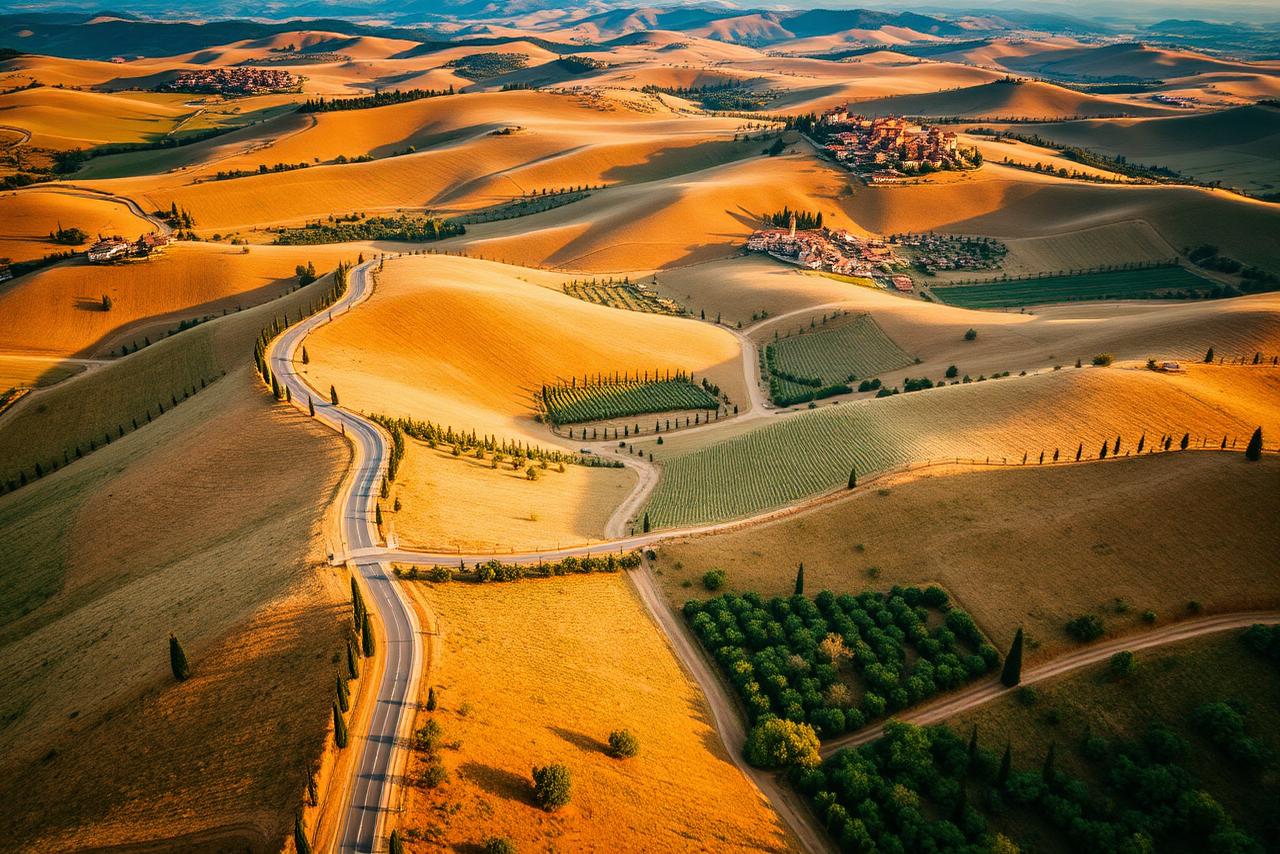
Slightly cooler evenings than Chianti make July more comfortable for sleeping. The landscape is golden by mid-July; cypress avenues against blue skies at sunrise are the photographs people return for. Browse Val d'Orcia villas →
Tuscan Coast and Maremma
The honest pick for July if your priority is heat management. Sea breezes, sea swimming at peak temperatures (24°C), and beach restaurants at full pace. The coast is also where Italians themselves go in July. Browse coastal villas →
Umbria
Lake Trasimeno provides a meaningful freshwater alternative to the sea; the higher Apennines stay 3-4°C cooler than central Tuscany. The Spoleto Festival of Two Worlds (late June into July) draws an international cultural crowd. Browse Umbria villas →
Compared to June and August
June is materially cooler in the first two weeks, with significantly lower prices and crowds, see Tuscany in June.
August is essentially comparable to July in weather, with Ferragosto (15 August) as a distinctive cultural feature and slightly heavier crowds, see Tuscany in August.
For the full month-by-month picture, see the weather pillar.
Frequently Asked Questions
What is the weather like in Tuscany in July?
Central Tuscany averages 31-33°C highs and 18-20°C lows, with 15-25mm of rainfall. Florence runs 2-4°C hotter than the surrounding countryside.
Is July too hot for Tuscany?
Not for the villa, but yes for sustained sightseeing. The villa-and-pool model works well; the multi-town-a-day model does not.
Do villas in Tuscany have air conditioning in July?
Most modern villas do, but it varies, ask explicitly during booking. AC is essential for sleep in most of the region in July.
Is the Palio worth it in July?
If you can structure your trip to be near Siena on 2 July, yes. The Palio is one of Italy's more distinctive cultural events. Siena fills entirely on the day; plan accordingly.
Plan a July Villa Stay
July is the single most-booked month in our calendar, and the best properties are typically reserved nine to twelve months ahead. For July 2027, the strongest pool-equipped properties are already taking holds; for July 2026 the inventory is largely set. Get in touch with flexible dates and we'll match you to a villa with the right AC, pool, and altitude profile for the month. You can also browse villas with private pools or our full collection.