Tuscany in November: Weather, Olive Harvest & Off-Season Travel
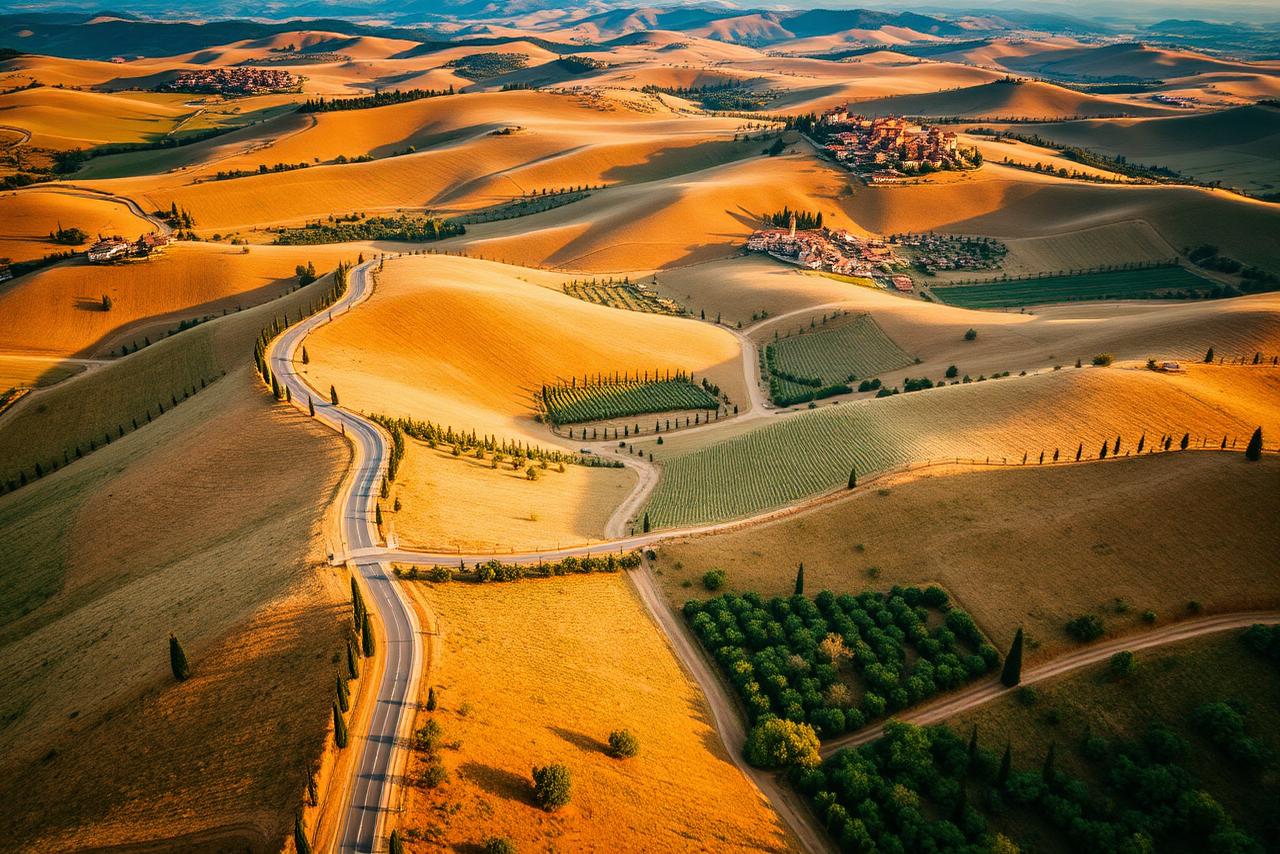
November is when Tuscany returns to its inhabitants. The buses stop running on Sunday schedules; restaurants that survived August's crush turn back into local establishments; the rural calendar refocuses on the olive harvest and the closing tasks of the wine year. For visitors prepared to set aside the pool, accept that the weather will require an umbrella, and approach the month on its own terms, November delivers a Tuscany that is harder to find at other times.
This guide covers what to expect from Tuscany weather in November, the olive harvest and truffle season, what's happening culturally, who the month genuinely suits, and the practical realities of an off-season villa stay.
Tuscany Weather in November at a Glance
Central Tuscany averages 14°C daytime highs and 7°C overnight lows in November, with 100-130mm of rainfall across the month and daylight contracting from 10 hours at the start of the month to 9.5 by month-end. The Tuscan Coast runs slightly warmer and slightly wetter; the higher Val d'Orcia and Garfagnana stay cooler, with the first proper frosts arriving by the third week.
November is the wettest month of the Tuscan year. The rain tends to come as two or three sustained events of two-to-three days each, separated by surprisingly clear bright dry spells. The autumn light, when it appears, is among the most photogenic of the year.
What's Happening in Tuscany in November
The olive harvest
The raccolta delle olive is the month's defining activity. Estates across Chianti and around Lucca operate at full pace from the first week of November through to mid-December. Many open their frantoi (oil mills) for visits, and the first-pressed olio nuovo appears in farm shops and restaurants from early November. The flavour, intensely peppery, with a bite that catches the back of the throat, is unmistakable and fades fast; the window for truly fresh olio nuovo is six to eight weeks. See our Tuscan food guide for the fettunta tradition (grilled bread with olio nuovo) that anchors November dinners across the region.
White truffle season
November is peak white truffle season. San Miniato hosts Italy's most important white-truffle market (the Mostra Mercato del Tartufo Bianco) across three weekends in November. Truffle hunts with trained dogs are widely available, particularly around San Miniato, Volterra, and the Umbrian Apennines around Norcia. Most Tuscan restaurants run truffle menus through the month; expect to pay 50-100% premium on standard prices for fresh white truffle.
The wine year closes
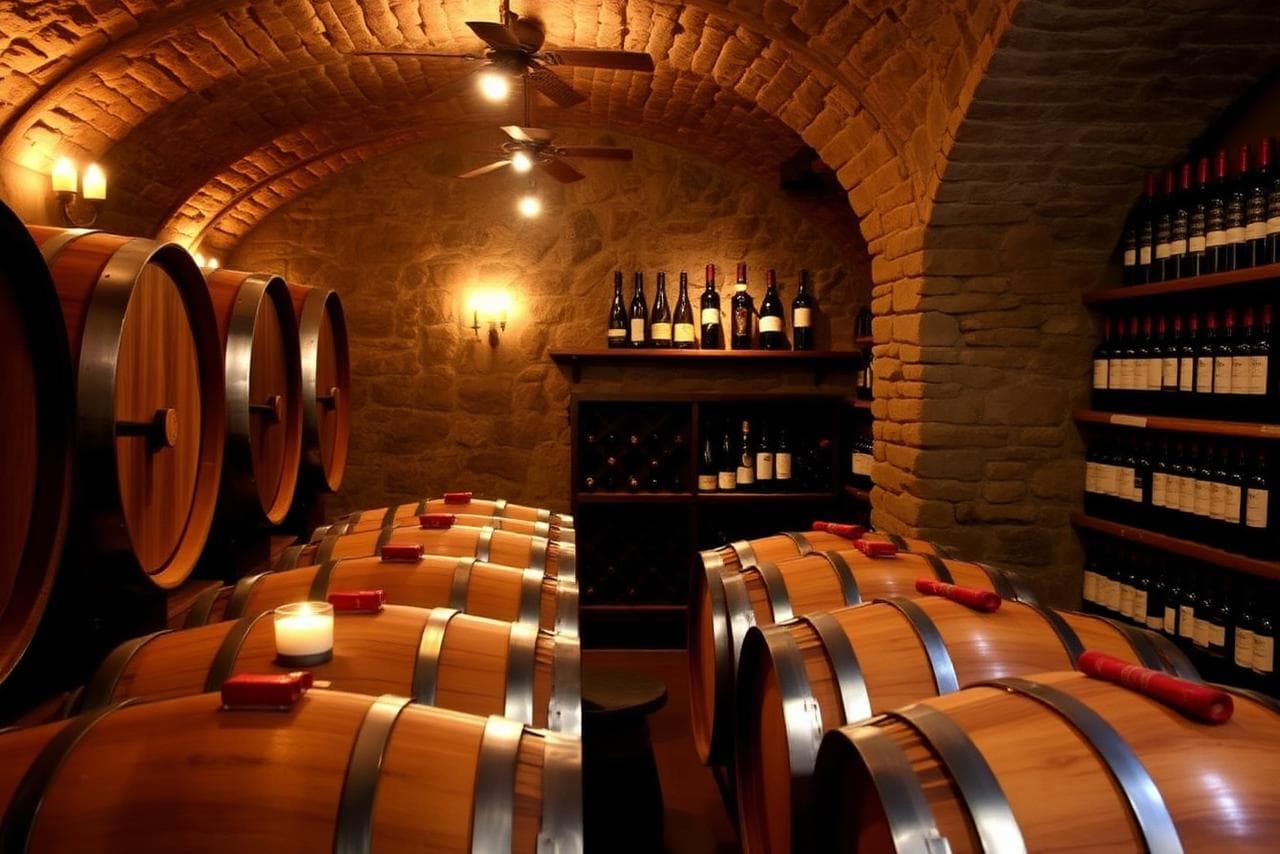
Late November sees the new-vintage releases from many Chianti and Val d'Orcia estates. Cellars are quieter than during the harvest itself, which means producers have more time to spend with visitors, and personalised tastings become genuinely available.
Florence and Siena
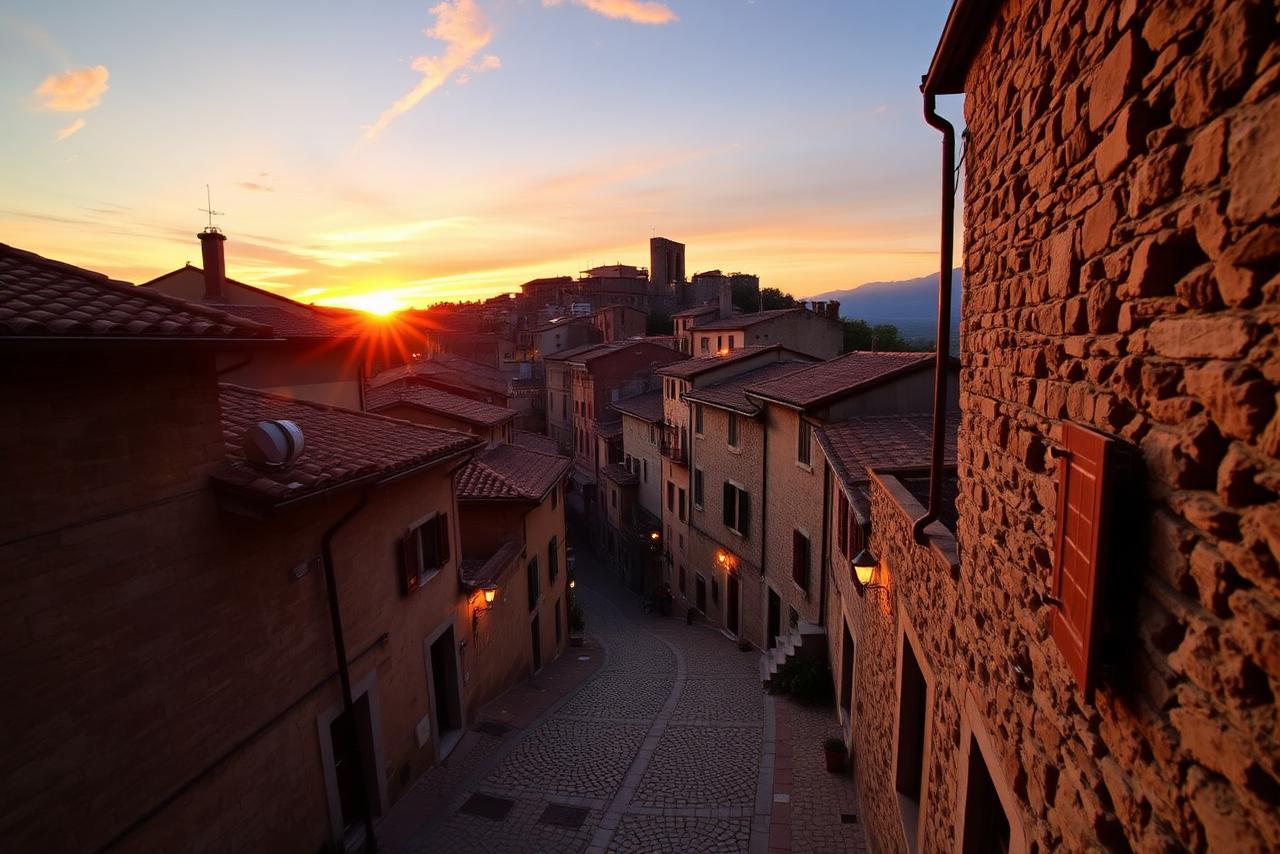
Both cities are at their most local in November. The Uffizi is walkable without booking; restaurants take walk-ins; the centro storico of Siena empties to its inhabitants. Cool damp days punctuated by surprisingly bright clear afternoons. A Florence-focused short break in November is a different proposition from the same trip in July, and many regular visitors prefer it.
Crowds and Pricing in November
Tourist density drops sharply from late October. Florence and Siena are walkable; the smaller hilltop towns are essentially returned to their inhabitants. Many countryside restaurants close from mid-November for the winter; the villa team can advise on which local places remain open during specific dates.
Villa pricing is at the lowest level of the year alongside January and February, often 50-60% below summer rates. Heating costs are a real consideration, ask explicitly during booking, particularly for older farmhouses with high ceilings and stone floors. A larger property with proper central heating and a working fireplace can be genuinely cosy; a poorly-insulated converted barn with electric heaters can become uncomfortable and expensive.
Who November Suits Best
November suits visitors specifically interested in: the olive harvest and oil production; truffle hunts and seasonal cuisine; off-season Florence and Siena; mature couples on shorter cultural breaks; wine-focused trips to estates that are easier to visit out of season; photographers willing to wait for the bright autumn windows between rain events.
November is not suited to: pool-centric holidays of any kind; families with younger children whose schedule revolves around outdoor time; first-time Tuscany visitors expecting the iconic summer landscape; large groups, the villa-as-the-centre-of-gravity model works less well in cold wet weather.
Tuscany in November by Region
Chianti and central Tuscany
Olive harvest territory; frantoio visits; cellars quiet enough to spend an unhurried afternoon at. Florence accessible without crowds. Browse Chianti villas →
Val d'Orcia
Properly cold by mid-November; first frosts at altitude. Atmospheric for landscape photography on bright clear mornings; impractical for day-to-day walking in poor weather. Brunello cellars at their quietest. Browse Val d'Orcia villas →
Tuscan Coast and Maremma
Slightly milder and wetter. The Maremma's natural hot springs (Saturnia, Petriolo) come into their own as the air cools, thermal water at 37°C against a 10°C autumn morning is one of the underrated November experiences. Browse coastal villas →
Umbria
The Norcia truffle area peaks in November. Generally 20-30% cheaper than Tuscany for a comparable property; cooler in the higher Apennines but with the strongest food-and-wine focus of any November base. Browse Umbria villas →
Compared to October and December
October is meaningfully milder and drier, particularly the first half, with sustained outdoor activity still plausible, see Tuscany in October.
December is cooler still but has Christmas markets, festive decorations and a different cultural texture, see Tuscany in December.
For the full month-by-month picture, see the weather pillar.
Frequently Asked Questions
Is the olive harvest worth a November trip?
For anyone with an interest in food, yes. Frantoio visits, freshly-pressed olio nuovo, and the harvest dinners that several agriturismi run are genuinely memorable. Aim for the second or third week of November for peak activity.
Is November cold in Tuscany?
Mild compared to most of the UK and northern Europe; cool compared to summer Tuscany. Daytime highs of 14°C are typical; nights cool to 7°C, and the higher elevations (Val d'Orcia, Garfagnana) see the first frosts by the third week.
Are villa pools usable in November?
No, not even with heating in most cases. November is firmly past the pool-usable window. If pool access matters, choose May, June, July, August, September or the first ten days of October.
Plan a November Villa Stay
November works as a food-and-wine-focused trip with a villa as the base for evenings rather than days. Smaller groups (4-6 people) generally do better in November than larger ones, the cosy-around-the-fire model works better than the spread-across-the-property model. Get in touch with what you're hoping to do (harvest, truffles, Florence focus, etc.) and we'll match you to the right villa.