Tuscan Wine Guide: Chianti, Brunello & Beyond
Tuscany produces some of the world's most celebrated wines, Chianti, Brunello, Vino Nobile, Super Tuscans, yet the variety and the classification system can feel bewildering to a first-time visitor. This guide cuts through the complexity: what each wine actually tastes like, which estates are worth visiting, how the DOCG system works, and exactly what to drink with each dish from our Tuscan food guide.
Understanding Tuscany's Wine Classifications
Italian wine law divides wines into quality tiers. For Tuscany, the three you'll encounter most are: DOCG (Denominazione di Origine Controllata e Garantita), the highest tier, with strict rules on grape varieties, yields, ageing, and geography. Tuscany has 11 DOCG appellations. DOC (Denominazione di Origine Controllata), similar geographic and variety rules but generally less restrictive ageing requirements. IGT (Indicazione Geografica Tipica), a flexible category that covers wines made outside traditional rules, including most Super Tuscans.
Counterintuitively, some of Italy's most expensive and critically acclaimed wines are IGT because their producers deliberately stepped outside the DOCG framework to use non-traditional grape varieties or techniques. The label classification tells you the origin and production rules, it does not tell you which wine you will enjoy most.
Chianti Classico DOCG
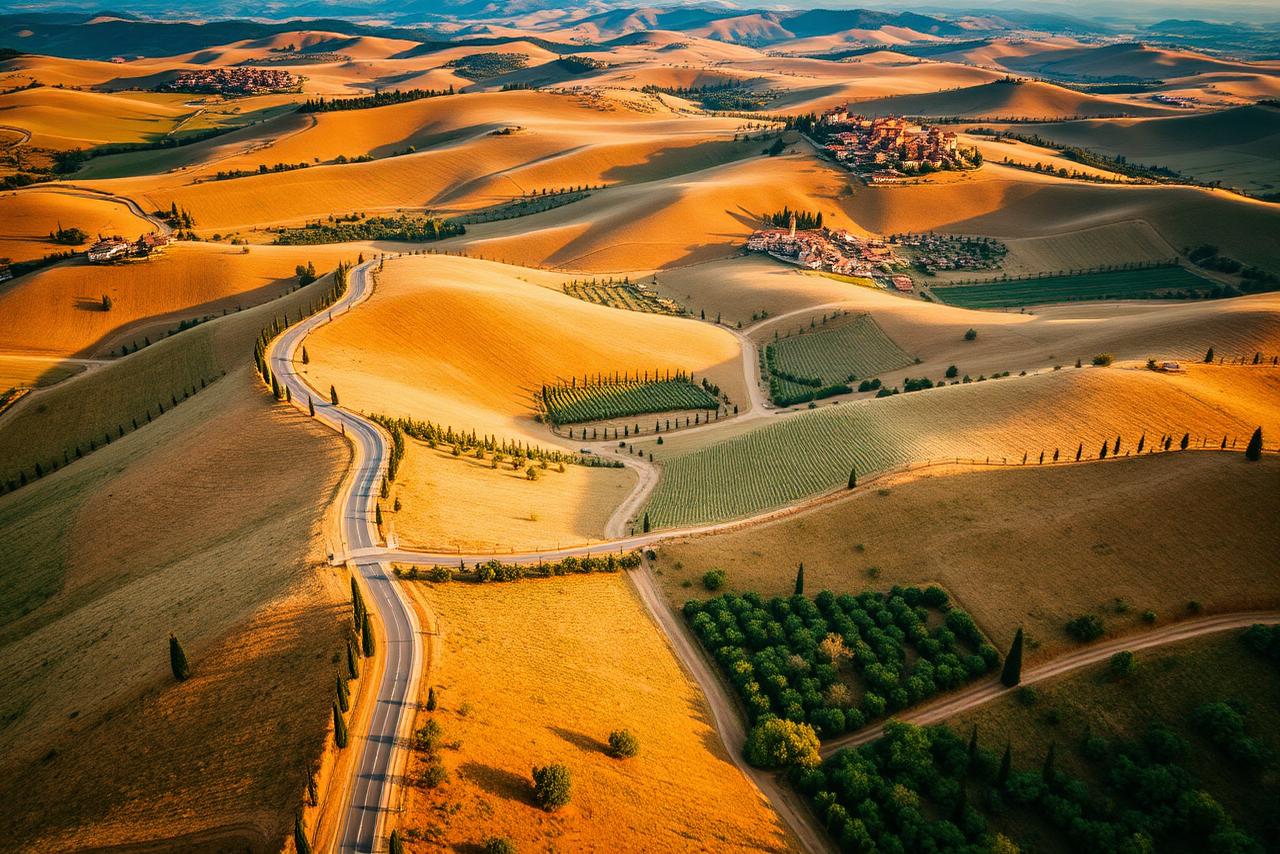
The heartland wine of Tuscany. Chianti Classico is grown exclusively in the historic zone between Florence and Siena, the same corridor as the Chianti villa region, from a minimum of 80% Sangiovese, sometimes blended with small amounts of Canaiolo, Colorino, or international varieties. The production zone covers approximately 72,000 hectares of hilly terrain centred on the SS222 Chiantigiana road and the villages of Greve in Chianti, Panzano, Radda in Chianti, Gaiole, and Castelnuovo Berardenga.
The wine comes in four quality levels: Chianti Classico (annata, the entry level, aged a minimum of 12 months), Riserva (minimum 24 months ageing, including 3 months in bottle), and Gran Selezione (minimum 30 months, from single vineyards or selected lots, the finest expression of the appellation). The iconic Black Rooster (*Gallo Nero*) seal on the neck confirms the bottle is genuine Chianti Classico. Estates to look for: Fèlsina, Isole e Olena, Badia a Coltibuono, Fontodi, Montevertine, Riecine, and Volpaia.
Tasting note: Sour cherry, dried rose petal, and violet on the nose; earthy, mineral, and faintly tobacco-edged on the palate, with firm tannins that soften beautifully with age. A Riserva from a good vintage (2015, 2016, 2019 are excellent) is ready to drink at 8-10 years old and holds for 20+. Food pairing: bistecca alla fiorentina, ribollita, wild boar pappardelle, aged pecorino. See our Tuscan food guide for more pairings.
Brunello di Montalcino DOCG
The most prestigious red wine in Tuscany, and one of the most celebrated in the world. Brunello is made exclusively from Sangiovese Grosso, locally called Brunello, grown on the hillsides around the medieval fortress town of Montalcino in the Val d'Orcia, roughly 40km south of Siena. The DOCG regulations are among the strictest in Italy: Brunello must be aged for a minimum of five years from harvest (six for the Riserva), of which at least two must be in oak. It cannot be released before January of the fifth year.
The result of this extended ageing is a wine of extraordinary depth and longevity, aromas of dried cherry, leather, tobacco, iron, and mountain herbs, with a tightly wound structure that needs a decade to fully open. Good Brunello from a great vintage (2010, 2015, 2016, 2019 are widely regarded as exceptional) will age comfortably for 30-40 years. Expect to pay €40-€80 for a standard Brunello and €100-€300+ for Riserva from top estates.
The more affordable entry point is Rosso di Montalcino DOC, the same grape, same producers, same terroir, but aged for just one year and released much earlier. It captures the essence of Brunello at a third of the price. Estates to seek out: Biondi-Santi (the historic founder of the appellation), Giacomo Conterno, Poggio di Sotto, Il Marroneto, Canalicchio di Sopra, Fattoria dei Barbi. Tasting note: dark fruit, dried rose, licorice, tobacco. Needs air, decant for at least two hours. Food pairing: bistecca alla fiorentina, slow-braised beef, wild game, aged hard cheeses.
Vino Nobile di Montepulciano DOCG
Often overshadowed by its more famous neighbour Brunello, Vino Nobile di Montepulciano is a superb wine in its own right and arguably more versatile at the dinner table. It is made from Prugnolo Gentile, the local name for the Sangiovese clone grown around the hilltop town of Montepulciano in the Valdichiana, southeast of Siena. The wine must be aged for a minimum of two years (three for Riserva), making it more immediately approachable than Brunello while still offering real complexity.
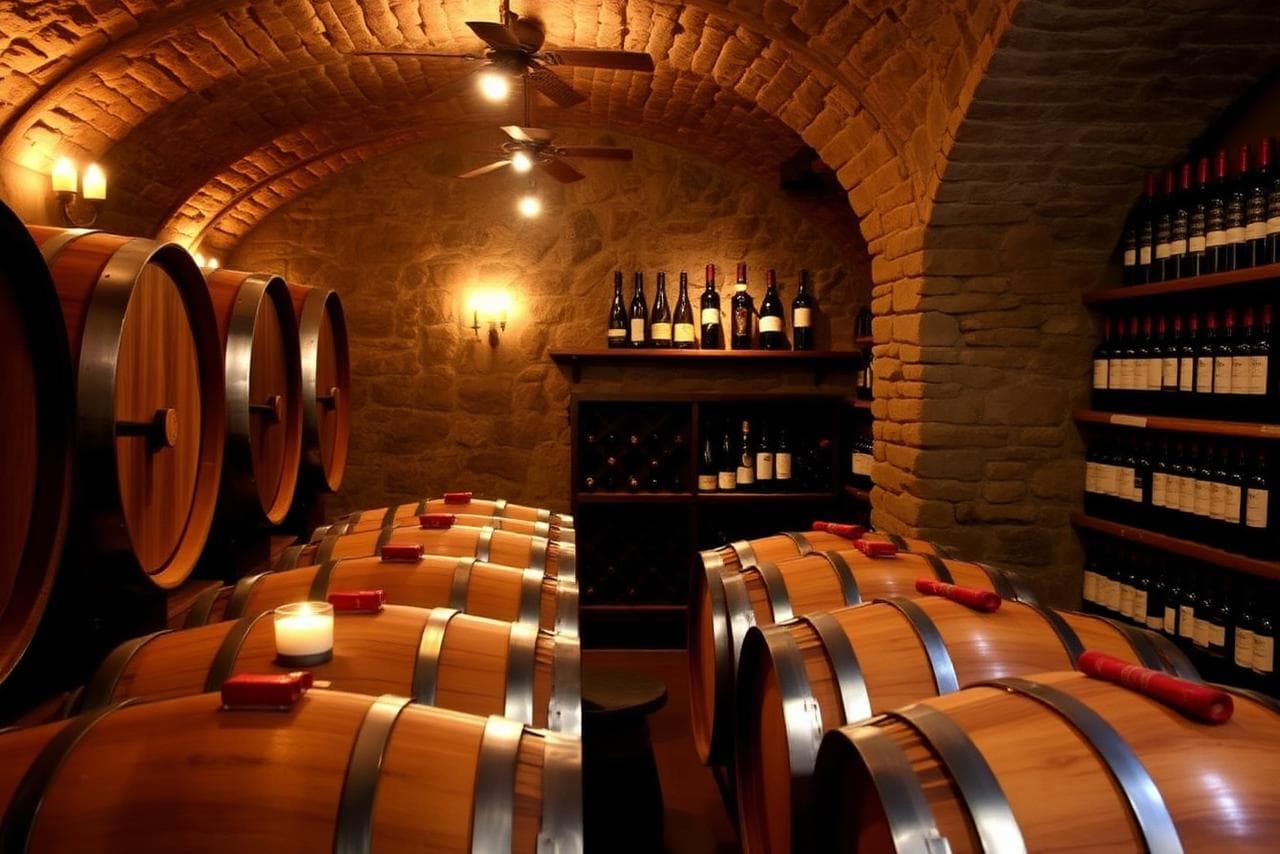
The town of Montepulciano itself is one of the most beautiful in southern Tuscany, and its underground cellars, carved into the volcanic tufa rock beneath the main street, are among the most atmospheric places to taste wine anywhere in Italy. The *cantina* experience here is uniquely immersive. Estates to visit: Avignonesi, Poliziano, Boscarelli, Salcheto, and Il Macchione. Tasting note: plum, violet, dried herbs, and a savoury, earthier profile than Brunello, rounder, more open, earlier drinking. Food pairing: pici al cinghiale, grilled lamb, aged pecorino di Pienza.
Vernaccia di San Gimignano DOCG
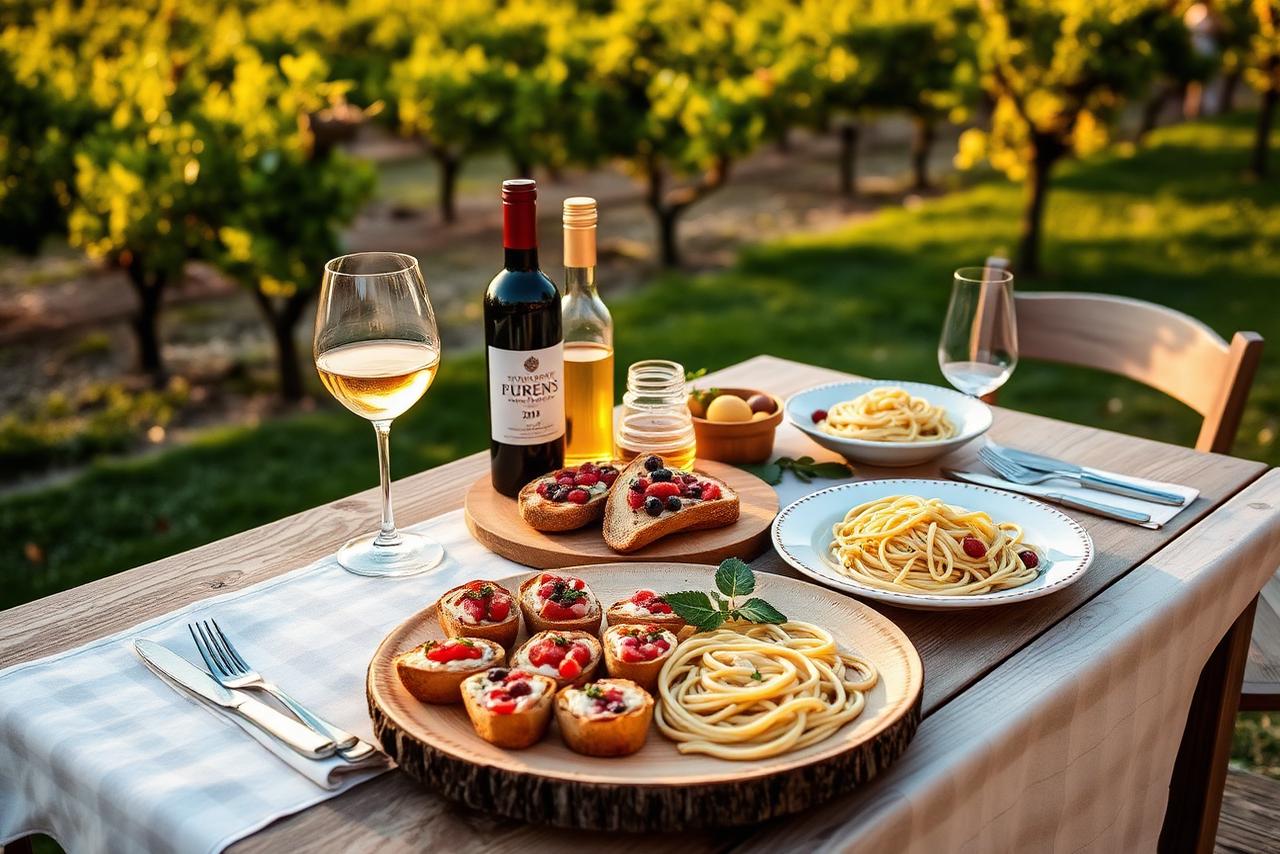
Tuscany's most famous white wine, and Italy's first ever DOC designation (awarded in 1966). Vernaccia is an ancient white grape grown exclusively in the hills around San Gimignano, the tower town 55km south of Florence. The wine is crisp, dry, and almond-scented, with a characteristic slight bitter finish that makes it an excellent aperitivo wine and a natural partner for seafood, light pasta, and the local chicken liver crostini.
Standard Vernaccia is light and fresh, meant to be drunk young. The Riserva version, aged for a minimum of 11 months including 3 in bottle, develops a rounder, more structured profile with notes of almond, fennel, and mineral. Estates to look for: Montenidoli, Panizzi, Cesani, and Guicciardini Strozzi. Tasting note: stone fruit, almond, fennel, and a clean mineral finish. Food pairing: crostini toscani, seafood, Vernaccia-braised rabbit, light antipasti.
Super Tuscans (IGT Toscana)
In the late 1960s and 1970s, a group of Tuscan producers, frustrated with the restrictive DOC regulations that required large percentages of inferior white grapes in Chianti, began making wines outside the legal framework: blending Sangiovese with Cabernet Sauvignon, Merlot, or Syrah, or using international varieties alone. The wines were technically classified as humble *vino da tavola* (table wine), yet they were among the finest in Italy.
Sassicaia (Bolgheri, first commercial release 1968) is the founding Super Tuscan, a Cabernet Sauvignon-dominated blend from the coastal Maremma that transformed Italian fine wine. Tignanello (Antinori, first release 1971) pioneered the Sangiovese-Cabernet blend. Ornellaia (Bolgheri), Masseto (one of Italy's most expensive wines, 100% Merlot), and Solaia followed. Today they are classified as IGT Toscana, the broad geographic designation that accommodates wines which don't fit any DOCG rules and they trade at prices that dwarf most DOCG wines. The Maremma and Bolgheri coastal area is the heartland of Super Tuscan production.
Key estates: Tenuta San Guido (Sassicaia), Antinori (Tignanello, Solaia), Ornellaia, Gaja (Ca' Marcanda), Petrolo. Tasting note: varies enormously by blend, but the best combine the structural density of Cabernet with the aromatic lift of Sangiovese. Food pairing: aged bistecca, slow-braised short rib, strong aged cheeses.
Morellino di Scansano DOCG
The wine of the Maremma, and one of the best-value DOCG reds in Tuscany. Morellino di Scansano is made from at least 85% Morellino, the local name for Sangiovese in the coastal Maremma, grown in the hills around Scansano in the Grosseto province. The coastal influence and lower altitude produce a rounder, more immediately drinkable style than inland Chianti or Brunello: plummy, herb-scented, with a warmth that reflects the hotter southern climate.
If you are staying in a Maremma villa, Morellino is the local red, available cheaply at the cantina direct-sale prices that the Maremma's less-visited estates offer. Estates to try: Erik Banti, Moris Farms, Rocca di Frassinello (a spectacular Renzo Piano-designed winery), and Fattoria Le Pupille. Tasting note: plum, blackberry, dried herbs, and a soft, warm finish. Food pairing: cacciucco alla livornese, wild boar, grilled lamb, pasta al ragù.
Vin Santo, The Dessert Wine of Tuscany
Vin Santo is the traditional sweet wine of Tuscany, served at the end of every meal with cantucci almond biscuits for dipping. It is made from Trebbiano and Malvasia grapes that are harvested in autumn, then dried on bamboo racks or hung from rafters (*appassimento*) for several months to concentrate the sugars. The dried grapes are pressed and the juice fermented slowly in small sealed barrels (*caratelli*) of 50-200 litres, where it ages, without topping up, for a minimum of three years, often five or more.
The result is a deeply complex amber wine with aromas of dried apricot, walnut, honey, orange peel, and oxidative notes that range from almond to toffee depending on the producer and the barrel. Quality varies enormously. The best examples, Avignonesi's Occhio di Pernice (made from red Prugnolo Gentile rather than white grapes, aged 10 years), Isole e Olena, San Giusto a Rentennano, are among the most complex dessert wines in Italy. Tasting note: amber gold, aromas of dried fruit, walnut, caramel, and orange peel. Food pairing: cantucci di Prato, Panforte di Siena, almond tart, or simply sipped alone after dinner.
Visiting Wine Estates from Your Villa
One of the great advantages of a villa holiday in Tuscany is the direct access to wine producers that it gives you. Most Chianti estates welcome visitors for tastings and cellar tours, the Enoteca del Gallo Nero in Greve in Chianti is an excellent starting point, with a comprehensive range of Chianti Classico from dozens of producers under one roof. From a villa in Val d'Orcia, the Montalcino wine road and Montepulciano's underground cantina circuit are within easy reach.
Our advice: always book estate visits in advance, even the larger estates appreciate prior notice, and the smaller family producers may only be available on specific days. Many will receive you in the vineyard, explain the vintage conditions, and sell you bottles at cellar-door prices well below shop prices. This is the best possible way to buy Tuscan wine, with context, directly from the people who made it.
If you'd like a curated list of estates near your specific villa, get in touch with our team before you travel. We have longstanding relationships with producers across all four regions and can make introductions.